Investing in a luxury home exterior involves far more than simply selecting premium materials from a catalog. Unlike standard home improvement projects, high-end exterior renovations require an elevated tier of project management, specialized contracts, and precise architectural alignment. When you are installing custom stonework, planting mature specimen trees, or configuring automated estate features, you are managing a complex ecosystem of specialized trades. A single mistake in project sequencing or contract wording can lead to costly delays, property damage, and compromised aesthetics. Achieving a flawless luxury exterior demands that you step into the role of an informed director or hire a design-build firm capable of meticulous execution. Every boundary line, hardscape element, and softscape asset must be coordinated to ensure long-term structural integrity and seamless visual harmony.
Architecturally Aligning Your Boundary Lines
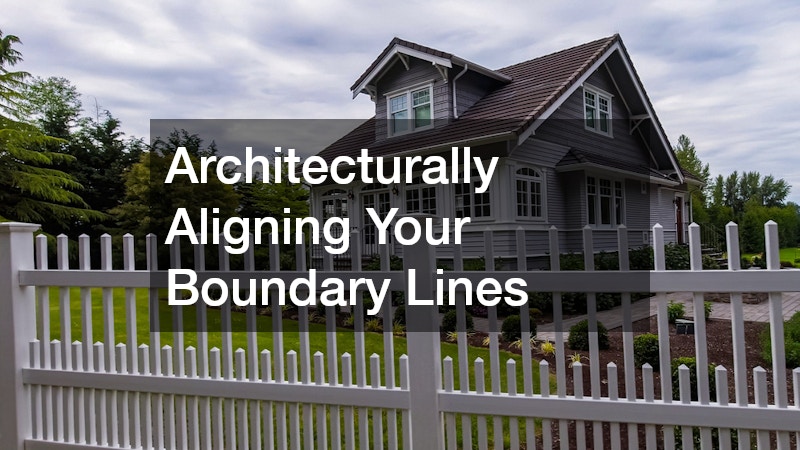
A luxury perimeter should never look like a collection of off-the-shelf panels dropped onto a property line. True high-end boundary design functions as a seamless extension of your home’s architecture, mirroring its horizontal lines, material palette, and structural permanence. Achieving this requires moving away from standard residential products and investing in custom-milled hardwoods like clear-grade cedar, architectural composites, or hand-forged metalwork.
When interviewing professionals for a high-end fence installation, your vetting process must focus heavily on their engineering capabilities rather than just their portfolio photos. Elite properties rarely feature perfectly flat terrain, which means your contractor must know how to navigate changes in grade without resorting to awkward, stepped panels that disrupt the visual horizon.
- Grade Transitions: Ensure your contractor uses custom racking techniques where the bottom and top rails are tailored to match the precise slope of your land, keeping the top line perfectly smooth and continuous.
- Structural Footings: Insist on commercial-grade post depths and heavy-duty steel sleeves or hidden concrete footings that exceed local building codes to ensure the structure can withstand extreme wind loads without bowing over time.
- Fastener Selection: Specify hidden fastening systems or marine-grade stainless steel screws; standard galvanized nails will eventually rust and leave ugly black streaks down your premium wood or composite panels.
Choosing Long-Term Canopy Architecture Over Instant Privacy
When establishing the upper canopy of a luxury estate, the most common mistake is prioritizing rapid growth over structural integrity and longevity. Cheap, fast-growing trees often possess weak wood that splits easily during storms, and their invasive root systems can wreak havoc on nearby hardscaping and utility lines. A luxury landscape relies on carefully selected shade trees that provide architectural scale, microclimate cooling, and multi-seasonal visual interest.
Sourcing these mature, field-grown specimen trees requires working with a contractor who understands the complex logistics of transporting and planting living assets that can weigh several tons.
- Crane and Rigging Access: Verify that the crew maps out a clear, unobstructed path to the planting zone to ensure heavy machinery can operate safely without coming into contact with overhead utility wires.
- Root Ball Integrity: Inspect the root ball upon arrival to confirm that the protective burlap and wire cage are entirely intact and that the tree has not suffered from circling or girdling roots during its time at the nursery.
- Soil Protection Measures: Require the installation team to lay down thick wood-chip layers or heavy-duty ground matting along the machinery path to distribute weight and prevent severe soil compaction near your existing landscaping.
- Contractual Health Guarantees: Your contract should explicitly state a twelve-to-twenty-four-month replacement warranty that covers transplant shock and failure to thrive, provided an automated irrigation system is in place.
- Root Ball Inspection: Ensure the contract allows your landscape architect to inspect the root ball at the nursery before delivery to confirm it hasn’t become root-bound or suffered structural damage during harvesting.
- Access Management: Elite contractors will include site-access coordination in their scope of work, utilizing heavy cranes and protective ground matting to position the trees without compacting the soil or cracking your existing hardscape.
Engineering Custom Outdoor Footings and Stone Elements
The difference between a basic bricklayer and an elite structural artisan becomes instantly apparent when you examine the longevity of a stone terrace, retaining wall, or outdoor fireplace. High-end hardscaping relies on structural masonry contractors who understand that the true beauty of natural stone depends entirely on the invisible engineering beneath it. Whether you are sourcing imported travertine, premium flagstone, or large-format architectural concrete slabs, the sub-grade preparation must be flawless.
- Sub-Base Compaction: Specify a deep, crushed-aggregate base that is mechanically compacted in thin layers rather than one thick pour, ensuring zero settling or shifting during seasonal freeze-thaw cycles.
- Efflorescence Prevention: Ensure your contract mandates the use of breathable, premium mortars and aggregate bases that minimize the migration of natural salts, preventing the unsightly white powdery coating known as efflorescence from marring your stone.
- Utility Pre-Sleeving: A critical contract detail is requiring the masonry team to install heavy-duty PVC conduit sleeves beneath all stone structures before pouring concrete or laying pavers, allowing for future expansions of gas lines, outdoor audio, or lighting without tearing up completed work.
Seamlessly Managing Large-Scale Landscape Overhauls
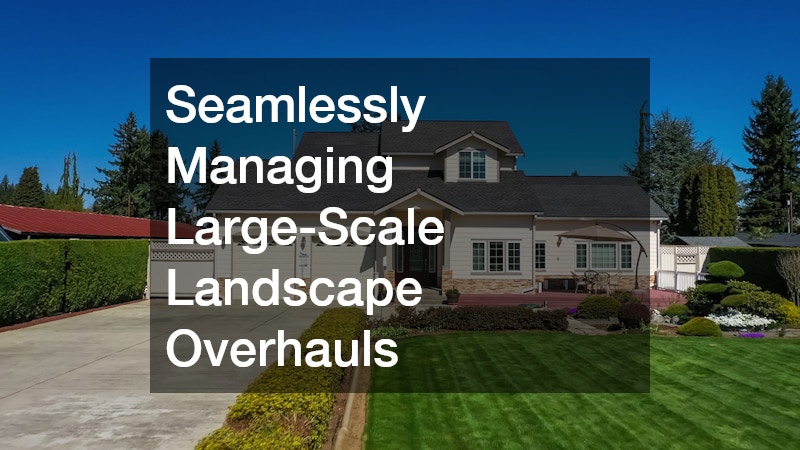
Executing a massive outdoor transformation requires managing an intricate choreography of earthmovers, drainage experts, and horticulturists. Opting for comprehensive landscaping services through a design-build firm often yields superior results compared to hiring an independent designer and attempting to manage separate sub-contractors yourself. The primary advantage of a unified team is the elimination of the classic finger-pointing that occurs when a separate installation crew misinterprets an architect’s blueprints.
- Chronological Project Sequencing: Your contract must outline a strict sequence of operations; all heavy excavation, sub-surface drainage, and retaining wall footings must be completely finalized before any topsoil blends or delicate plant materials are brought onto the property.
- Soil Chemistry Optimization: High-end contracts should require independent laboratory soil testing across different zones of your estate, with explicit mandates for the contractor to amend the existing soil with organic matter to match the exact biological needs of your new plant palette.
- Site Protection Clauses: Hold the primary contractor legally accountable for protecting your home’s existing architecture, specifying that mature trees must be fenced off at their drip lines to prevent heavy machinery from destroying their root zones.
Hidden Water Management for Flawless Turf Health
A lush, estate-tier lawn and vibrant botanical beds cannot survive on a standard, one-size-fits-all watering schedule. A luxury landscape demands an intelligent sprinkler system that functions as a hidden, highly responsive water management framework. This involves deploying smart, weather-adaptive controllers that pull real-time meteorological data to automatically adjust watering volumes based on rainfall, humidity, and evaporation rates.
- Zone Segmentation: Ensure your contractor maps out separate, independent zones for high-water turf areas, low-water shrub beds, and delicate micro-drip zones for container plantings, preventing root rot in one area and dehydration in another.
- Subsurface Technology: For estate beds near custom stone facades or outdoor living rooms, specify subsurface drip irrigation lines that deliver water directly to the root systems, eliminating wind-driven overspray that can stain expensive stone and wood finishes.
- As-Built Digital Mapping: Your final contract retainage payment should be withheld until the contractor provides a comprehensive, high-resolution digital map detailing the exact path of all underground lateral lines, mainlines, master valves, and wire runs for future reference.
Deploying Dynamic Sun and Wind Protection
An outdoor living space is only as luxurious as its usability during peak summer heat or unexpected afternoon gusts. Integrating premium architectural shades and motorized louvers allows you to manipulate your outdoor microclimate at the touch of a button or via smart home automation. When contracting for high-end patio shades or automated pergolas, the focus must be on structural integration rather than treating these features as clip-on accessories.
- Architectural Concealment: Ensure the contract specifies that all housing mechanisms, guide tracks, and motorized rollers are recessed directly into your porch ceilings or stone pillars, rendering the technology invisible when not deployed.
- Material and Hardware Grades: Insist on marine-grade stainless steel components and premium, UV-stable textiles that resist fading, mold, and tearing under high wind loads.
- Smart Automation Overrides: High-end installations must include integrated anemometers (wind sensors) that automatically retract the shades if wind speeds cross a specific safety threshold, protecting your investment from sudden storm damage.
Executing High-Durability, Flawless Approaches
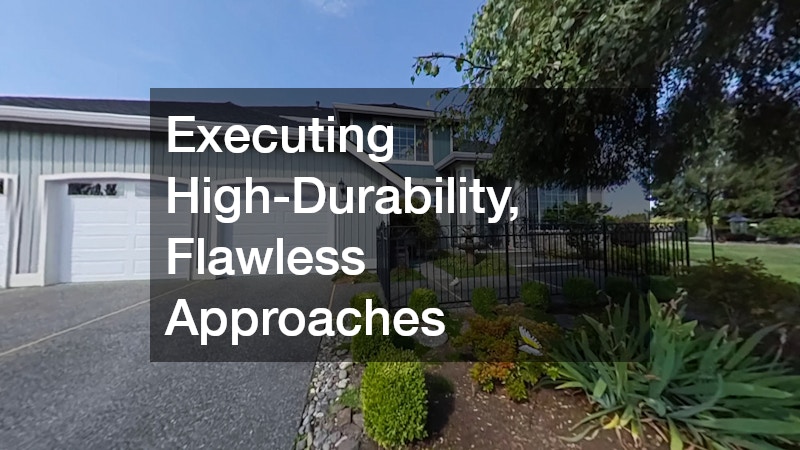
The approach to your estate sets the tone for the entire architectural experience, making the driveway a critical element of your exterior design. A luxury driveway must be engineered to withstand immense load-bearing weights from heavy service vehicles and daily driving without cracking, rutting, or shifting. Achieving this level of durability requires partnering with a premium asphalt paving company that utilizes advanced commercial-grade mixtures and precision leveling technology.
- Load-Bearing Sub-Bases: The contract must specify a substantial stone sub-base layer, often dynamic stone aggregates compacted to a thickness of eight to twelve inches, depending on your underlying soil conditions.
- Precision Elevation and Drainage: Ensure the crew utilizes laser-guided grading equipment to guarantee that water sheds perfectly away from your home’s foundation and into concealed drainage basins, preventing pooling or ice patches.
- Architectural Bordering: Elevate a standard asphalt driveway by contracting for hand-laid Belgian block, granite cobblestone, or brick pavers along the borders and entry aprons, creating a tailored, estate-like frame.
Enhancing Architectural Flow and Thermal Efficiency
Garage entries often represent a massive percentage of a luxury home’s front facade, yet they are frequently overlooked during exterior renovations. Upgrading to architectural-tier garage doors can completely transform your home’s curb appeal while significantly boosting its structural security and thermal performance. High-end options move away from standard stamped steel, leaning toward custom-stained exotic hardwoods, sleek black glass, or flush-mounted panels that blend seamlessly into the surrounding wall materials.
- Thermal Efficiency Standards: Insist on polyurethane intelligent-insulated cores that offer an R-value of sixteen or greater, which is critical if you have living spaces above the garage or wish to maintain climate control inside the garage workshop.
- Heavy-Duty Hardware Systems: Luxury wood doors are incredibly heavy; your contractor must install commercial-grade high-cycle torsion springs, heavy-gauge steel tracks, and quiet nylon rollers rather than standard residential hardware.
- Side-Mount Direct Drive Openers: Specify wall-mounted jackshaft openers that connect directly to the door’s torsion bar, completely eliminating unsightly ceiling-mounted tracks, chains, and center motors to maintain a clean ceiling profile.
Safeguarding High-Value Surfaces from Environmental Damage
Once your premium asphalt approach is laid and cured, protecting that surface from oxidation, oil spills, and harsh weather conditions becomes your next priority. High-end surface protection requires applying advanced sealcoatings that preserve the rich, deep color of the pavement while creating an impermeable shield against chemical degradation and water penetration.
- High-Solids Polymer Formulas: Ensure your contractor avoids cheap, water-diluted sealants and instead specifies heavy-duty polymer-modified emulsions blended with durable slate or ceramic aggregates to provide excellent traction and wear resistance.
- Environmental Application Windows: The contract should clearly state that application will only occur when ambient and surface temperatures remain above fifty degrees Fahrenheit for a continuous twenty-four-hour window, ensuring a perfect chemical bond.
- Precision Hand-Application: For luxury properties, specify that the sealant be applied by hand using squeegees near stone borders, walkways, and landscaping rather than sprayed, completely eliminating the risk of messy overspray on your custom hardscaping.
Establishing High-Standard Care Protocols Post-Build
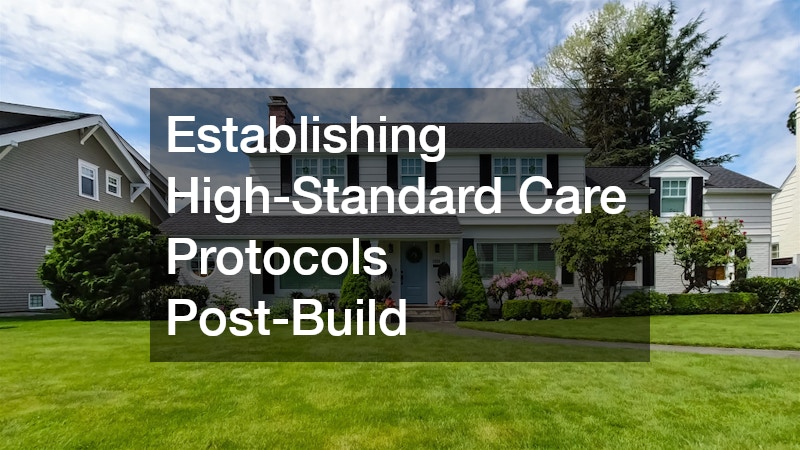
The day your construction crew packs up their tools is the day your preservation strategy must begin. A luxury exterior requires ongoing, highly specialized maintenance to ensure that your living and structural assets age beautifully over time. Rather than relying on basic mow-and-blow gardeners, a premium estate demands comprehensive lawn maintenance and landscape care administered by certified professionals who understand plant pathology, soil science, and precision turf management.
- Customized Turf Fertilization Programs: Your maintenance agreement should be built around a custom chemical and organic schedule tailored to your specific turfgrass variety, utilizing slow-release nutrients and regular core aeration to encourage deep root growth.
- Precision Architectural Pruning: Ensure the contract mandates hand-pruning techniques by trained specialists for your sculpted hedges and delicate topiaries, avoiding gas-powered shears that tear leaves and expose your plants to disease.
- Seasonal Drainage Audits: A comprehensive maintenance protocol must include checking all French drains, catch basins, and gutter runouts before the heavy rainy season begins, ensuring that water always moves safely away from your luxury hardscape investments.
Executing a luxury home exterior transformation is an exercise in meticulous planning, rigorous contractor vetting, and uncompromising quality control. By focusing on detailed contract specifications, prioritizing long-term structural integrity over quick fixes, and understanding how different outdoor trades interact, you can prevent the common pitfalls that plague major renovation projects. Safeguarding your investment requires looking beyond the surface aesthetics to ensure that the invisible engineering—from the depth of the aggregate bases to the smart automation systems—is flawlessly executed. With the right legal protections, clear design blueprints, and a dedicated team of elite professionals, you can construct an outdoor sanctuary that enhances your lifestyle, complements your home’s architecture, and preserves its value for decades to come.