
Building a major home addition is one of the most transformative milestones a homeowner can experience. It is the realization of a dream—whether that dream is an expansive culinary kitchen, a private master suite oasis, or a dedicated wing for aging parents. However, the excitement of browsing floor plans often overshadows the gritty, logistical realities of site preparation. Many homeowners assume that once they sign a contract, the property is instantly ready for excavation. In reality, a successful addition requires a proactive strategy to prepare your land, structural connections, and utility infrastructures before the first excavator rolls onto your grass.
Failing to prepare your property can lead to expensive disruptions. Heavy machinery can collapse underground lines, outdated panels can stall progress, and poor planning can lead to moisture damage where the old house meets the new. By treating your property as an interconnected ecosystem and taking specific steps, you shield your budget from unexpected change orders, keep your project moving on schedule, and ensure construction proceeds smoothly. This guide details how to systematically audit, fortify, and prepare your property for a large-scale construction project.
Assessing Property Infrastructure and Ensuring Safe Heavy Site Access
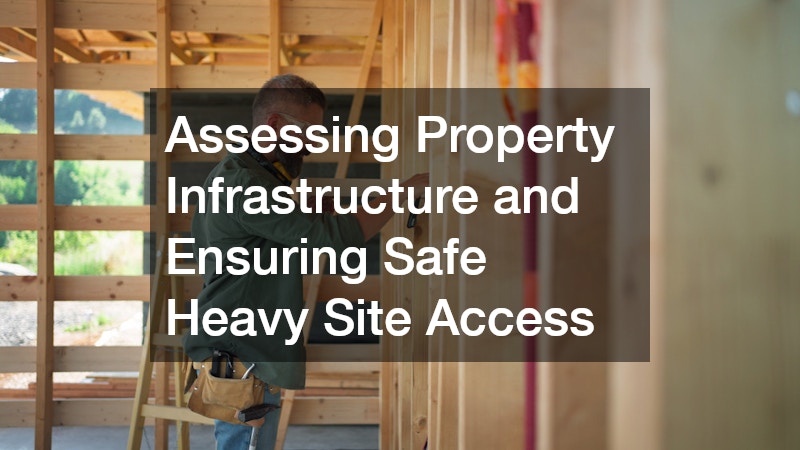
The arrival of heavy construction vehicles marks the official start of a home addition. Dump trucks, concrete mixers, and flatbeds possess immense weight that residential land is rarely designed to support. Before any digging begins, you must evaluate how these vehicles will enter, exit, and maneuver across your property without causing permanent damage to your existing infrastructure.
The first critical zone to inspect is your driveway and primary access pathways. A driveway that looks perfectly fine under a standard SUV can easily buckle under a loaded concrete mixer weighing over sixty thousand pounds. Homeowners should walk their driveway to look for structural vulnerabilities, such as hairline fractures or crumbling edges. If you have an asphalt driveway, addressing these minor flaws before construction begins is paramount. Undertaking a comprehensive asphalt crack repair project allows you to seal out moisture and reinforce the surface. This prevents heavy trucks from turning small fissures into deep, destructive potholes that would require a total driveway replacement once the addition is finished. Furthermore, if your access path crosses water meters or main utility lines, work with your contractor to lay down thick steel plates to distribute weight evenly.
Once access paths are secured, the focus shifts to clearing the actual footprint of the new structure and establishing a flawless foundation. This stage requires looking at the subterranean environment. All trees within fifteen feet of the construction zone should be evaluated; large root systems can stall excavation equipment or cause trees to die and fall onto the new structure later. Any existing concrete patios, retaining walls, or old walkways within the footprint must be systematically broken up and hauled away.
After excavation clears the earth, laying the groundwork for the structural base demands specialized expertise. Because an addition must tie into an existing home without settling independently, standard foundation methods are rarely sufficient. Engaging professionals who specialize in custom concrete construction ensures that the new foundation is engineered precisely for the specific soil composition, slope, and load-bearing requirements of your property. This phase involves digging deep footings below the local frost line, installing robust rebar reinforcement grids, and pouring high-strength concrete that is meticulously anchored to your home’s original foundation via heavy-duty steel dowels. Taking the time to execute this step correctly guarantees that your new rooms rest on an immutable base that prevents future structural sagging or cracked drywall.
Auditing Mechanical Systems and Upgrading Utilities for Higher Demand

A major home addition does not just change the physical footprint of your property; it significantly increases the strain on your home’s internal mechanical systems. A common mistake is assuming that an existing electrical panel, water heater, and utility setup can simply absorb the energy demands of several hundred additional square feet of living space. Upgrading these core systems during the early preparation phases saves you from the frustration of tripped breakers, cold showers, and torn-up walls later down the line.
Plumbing capacity is one of the first systems to feel the stress of an expanded home, particularly if your addition features a new main bathroom, a laundry room, or a wet bar. Traditional tank-style water heaters operate on a finite storage system, heating forty or fifty gallons of water at a time and requiring significant recovery periods once exhausted. When you add more occupants or plumbing fixtures to a household, these older systems quickly become inadequate. To prepare your utility infrastructure for this increased burden, consider upgrading your water heating technology before framing begins. Transitioning to a high-efficiency tankless water heater solves this problem by heating water on demand as it flows through the system. Because these units do not rely on a bulky storage tank, they provide an endless supply of hot water to multiple bathrooms simultaneously while freeing up precious square footage inside your utility closet—space that can be better utilized in the layout of your new addition.
Simultaneously, you must address the electrical and logistical demands of any new rooms that require heavy power loads. If your home addition involves expanding a kitchen into a gourmet culinary space or building an independent secondary suite, your electrical consumption will skyrocket. Preparing for this reality requires a comprehensive audit of your electrical panel to determine if an upgrade or a secondary subpanel is required.
To make this process seamless, you should finalize your layout and appliance choices long before the framing inspection. First, walk through your tentative floor plan and mark where high-draw items will live. Second, visit a well-stocked, professional appliance store to select your exact refrigerator, double oven, range, and dishwasher models early in the process. Third, secure the manufacturer specification sheets detailing the exact voltage, amperage, and dedicated circuit requirements for each unit. Finally, supply these documents to your master electrician so they can rough-in the wiring, conduit, and breaker boxes accurately, preventing costly rewiring delays once the walls are closed in.
Integrating Structural Integrity With Advanced Exterior Weatherproofing

The physical junction where an addition meets an existing house is the most vulnerable area of the entire project. This intersection is susceptible to structural movement, water infiltration, and severe thermal energy transfer. Preparing your property means ensuring that this transition point is engineered for durability, visual continuity, and absolute weather protection.
Achieving a flawless aesthetic transition requires careful material planning and sourcing. If your original home features a classic brick exterior, simply slapping vinyl siding or modern stucco onto the new addition can make the project look disjointed and diminish your property value. To achieve a seamless architectural blend, you must source materials that match the color, texture, size, and mortar style of the original home. Hiring skilled professionals to execute high-quality brick masonry along the junction lines and new exterior walls ensures that the addition looks like an intentional, original component of the property rather than an afterthought. This process involves carefully “toothing” the new brickwork into the existing rows, creating a structurally sound bond that allows the old and new walls to distribute lateral loads evenly while keeping out wind-driven rain.
Beyond the exterior aesthetics, the internal tie-in zone requires a rigorous weatherproofing strategy. When an addition is framed against an older home, minute gaps, settling spaces, and mismatched framing timbers inevitably create paths for air and moisture infiltration. Traditional insulation materials like fiberglass batts are difficult to stuff into these irregular, tight structural joints, often leaving uninsulated voids that lead to frozen pipes, drafts, and mold growth. To fortify this vulnerable boundary, homeowners should plan for an advanced spray foam insulation service during the insulation phase. Expanding polyurethane foam can be injected into the complex cavities where the new roofline joins the old rafters and where the new sill plates meet the existing foundation. As the foam expands, it completely fills every microscopic crevice, creating a continuous thermal and air barrier that locks out external humidity and prevents expensive conditioned air from escaping your home.
Retrofitting the Original House for Holistic Thermal and Climate Control

It is a common misconception that climate control can be managed by simply cutting a hole into your existing HVAC ductwork and extending it into the new rooms. In reality, residential heating and cooling systems are precisely sized for the specific volume of air within the original floor plan. Forcing an existing furnace or air conditioner to condition an extra three hundred to one thousand square feet will overtax the compressor, shorten the equipment’s lifespan, and create wildly inconsistent temperatures throughout the entire house.
To prepare your property for independent, reliable comfort, you must rethink your zone management strategy. Instead of modifying an already maxed-out central system, the modern standard for home extensions involves treating the new addition as a completely independent climate zone. Rather than overextending an old system, you can choose to establish targeted zones using specialized equipment. For instance, investing in a professional split system AC installation allows you to heat and cool the new space on an as-needed basis without altering the thermostat settings in the rest of the house. These ductless mini-split systems utilize an inconspicuous outdoor condenser hooked up to a sleek, wall-mounted indoor air handler. This setup gives you precise control over the room’s temperature, maximizes energy efficiency, and eliminates the need to tear down existing ceilings to run bulky ductwork from the old system.
While optimizing the climate control inside the addition is essential, you must also examine how the construction impacts the energy dynamics of the remaining portions of your home. A new addition can alter wind patterns, shade structures, and sunlight exposure around your property. If the rooms directly adjacent to the new addition are fitted with old, single-pane windows, the sudden shift in airflow and temperature differentials can exaggerate existing drafts and energy loss. To maintain an even, comfortable indoor climate throughout the entire transition process, evaluate the condition of your home’s current glass barriers. Upgrading to modern, double- or triple-pane replacement windows in the older sections of the house creates a balanced thermal envelope. These advanced window systems use low-emissivity coatings and argon gas fills to minimize heat transfer, ensuring that your original rooms remain just as energy-efficient and comfortable as your brand-new addition.
Optimizing Interior Comfort and Implementing Advanced Safety Features
The final phase of property preparation moves inward, focusing on the psychological and physical well-being of the home’s occupants. A major addition provides a rare opportunity to integrate advanced safety systems and high-end lifestyle comfort features that are otherwise incredibly difficult or disruptive to install after the home is finished.
First and foremost, construction preparation should address personal safety and disaster readiness. When you are already excavating large swaths of earth and modifying your home’s primary structural footprint, it is the absolute best time to think about extreme weather protection. Depending on your geographical location, incorporating a heavy-duty storm shelter directly into the foundation layout or basement plan of the new addition provides unmatched peace of mind. Whether you install an in-ground concrete bunker beneath the new garage floor or construct a reinforced steel safe room within a master walk-in closet, doing so during the structural phase reduces excavation costs and allows engineers to anchor the safety unit directly to the foundational bedrock. This ensures your family has a secure, impenetrable sanctuary during tornadoes, hurricanes, or severe weather emergencies.
Once the structural safety elements are locked in, your attention can naturally shift to the tactile, human elements that make a newly constructed space feel like home. New rooms with expansive windows, high vaulted ceilings, and hardwood floors are beautiful, but they often suffer from harsh acoustic echoes and a lack of intimate comfort. To prepare for the move-in day, you should design your interior furnishings and built-in seating arrangements in tandem with the architectural drawings.
If your addition includes a cozy window seat overlooking the garden, an expansive screen porch, or a built-in breakfast nook, don’t wait until the drywall is painted to think about comfort. Working with custom textile fabricators allows you to design high-density, weather-resistant cushions that are tailored perfectly to the exact dimensions of your new architectural features. Planning these soft interior elements early ensures that the moment construction wraps up, your new square footage is immediately transformed into a functional, inviting, and acoustic-dampening space where your family can gather in complete comfort.
Ultimately, preparing your property for a major home addition is a holistic endeavor that bridges the gap between raw engineering and everyday lifestyle design. By methodically addressing site access, upgrading utility loads, reinforcing structural intersections, zoning your climate control, and planning for interior comfort well in advance, you eliminate the chaos that so often plagues residential construction. A home addition should be a rewarding investment that elevates your quality of life. Through deliberate, intelligent preparation, you can protect your financial resources and establish a pristine, durable foundation for your home’s future growth.