Key Takeaways
- Open-concept layouts can make homes feel larger, brighter, and more connected by improving traffic flow and allowing natural light to reach more areas.
- Neutral color palettes paired with thoughtful accent colors help create timeless interiors that remain stylish and adaptable as design trends evolve.
- Maximizing natural light through larger windows, glass features, and reflective surfaces can enhance both the appearance and functionality of living spaces.
- Smart home technologies such as automated lighting, security systems, and programmable thermostats improve convenience, efficiency, and overall home management.
- Modern kitchens and bathrooms deliver some of the greatest functional and financial benefits by combining attractive design with practical upgrades and improved storage.
- Sustainable materials and energy-efficient features can reduce environmental impact, lower operating costs, and contribute to a healthier indoor environment.
- Built-in storage solutions, layered lighting, and multifunctional furniture help maintain organized, flexible spaces that better support contemporary lifestyles.
Modern homeowners are no longer satisfied with interiors that simply look attractive. Today’s living spaces must be functional, efficient, adaptable, and reflective of individual lifestyles. As families spend more time at home for work, relaxation, and entertainment, interior design trends have evolved to prioritize comfort, convenience, and flexibility alongside aesthetics.
A well-planned renovation can completely transform an outdated house into a stylish and practical living environment. Whether you’re updating a single room or redesigning your entire property, modern home interior renovation ideas focus on creating spaces that feel open, organized, and welcoming. From smart technology and sustainable materials to multifunctional layouts and minimalist design principles, contemporary renovations offer countless opportunities to improve both the appearance and functionality of your home.
Why are Modern Interior Renovations So Popular?
Modern interior renovation projects have gained popularity because homeowners want spaces that better support their daily routines. Older homes often contain compartmentalized layouts, outdated finishes, insufficient storage, and inefficient systems that no longer meet current needs.
Contemporary living emphasizes flexibility and convenience. People want homes that accommodate remote work, family gatherings, personal wellness, and entertainment without feeling cluttered or cramped.
Modern renovations help homeowners:
- Improve functionality and flow throughout the home.
- Increase property value.
- Enhance energy efficiency.
- Create healthier indoor environments.
- Incorporate current design trends.
- Reduce maintenance requirements.
Rather than focusing solely on appearance, today’s renovations aim to improve the overall living experience.
How Can Open-Concept Layouts Transform a Home?
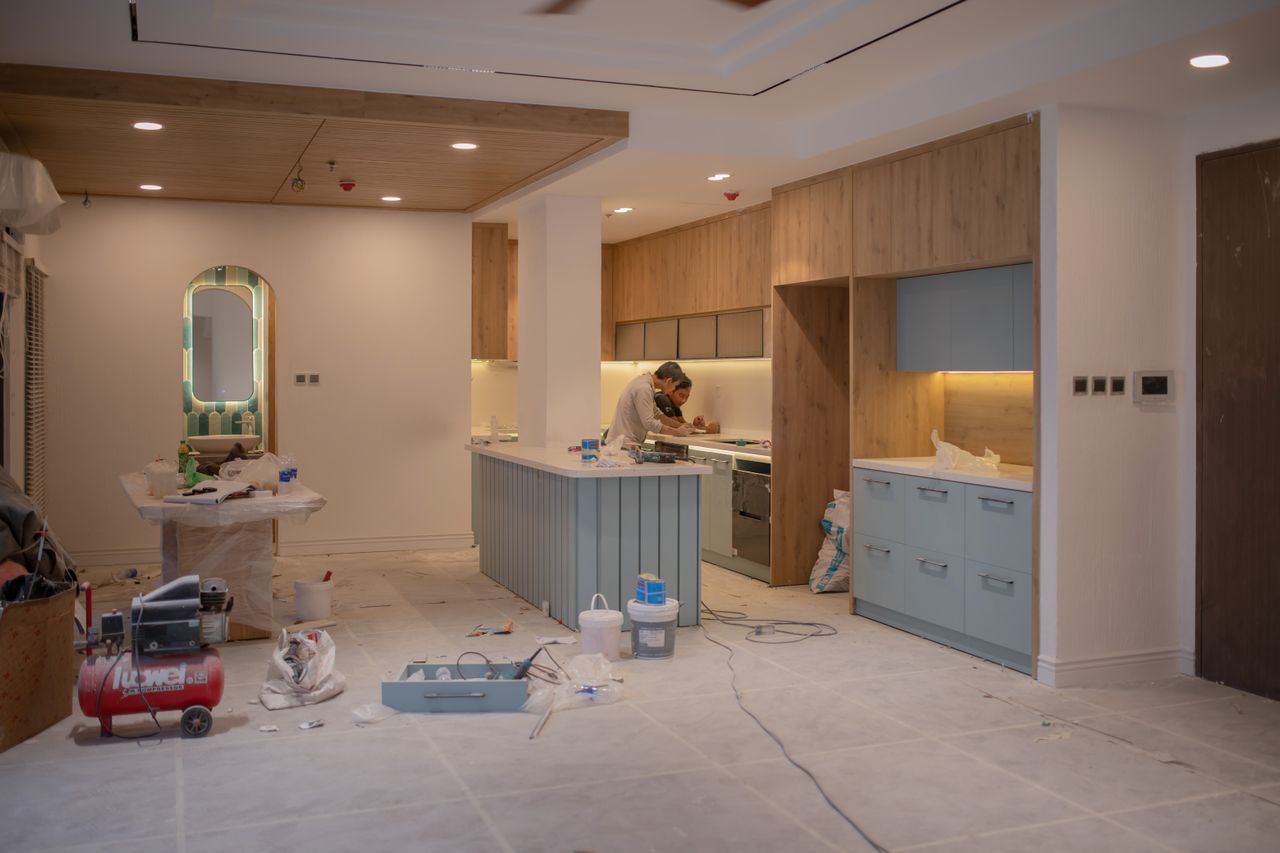
One of the most influential trends in modern design is the open-concept floor plan. Many older homes contain separate rooms divided by walls that restrict movement and natural light.
Removing unnecessary barriers creates a more connected and spacious environment.
Benefits of open-concept living include:
- Better communication between family members.
- Increased natural light distribution.
- Improved traffic flow.
- Greater flexibility when arranging furniture.
- Enhanced visual appeal.
Open layouts often combine the kitchen, dining room, and living room into a cohesive space that supports both daily living and entertaining.
When considering structural changes, homeowners should consult qualified professionals to determine which walls can safely be removed.
What Colors Define Contemporary Interiors?
Color plays a critical role in modern renovation projects. Contemporary spaces typically rely on clean, neutral palettes that create a sense of calm and sophistication.
Popular modern colors include:
- Soft white
- Warm beige
- Light gray
- Greige
- Taupe
- Charcoal accents
Neutral foundations allow homeowners to introduce personality through furniture, artwork, textiles, and decorative accessories.
For those seeking additional visual interest, muted shades of green, blue, and terracotta can serve as accent colors without overwhelming the space.
The goal is to create interiors that feel timeless rather than overly trendy.
Using Color to Create Different Moods
Different color choices can influence how a room feels.
For example:
- Light tones make rooms appear larger and brighter.
- Earthy shades create warmth and comfort.
- Dark accents add sophistication and depth.
- Natural colors promote relaxation.
Strategic color placement can dramatically enhance a room without requiring extensive construction work.
Why is Natural Light Essential in Modern Design?
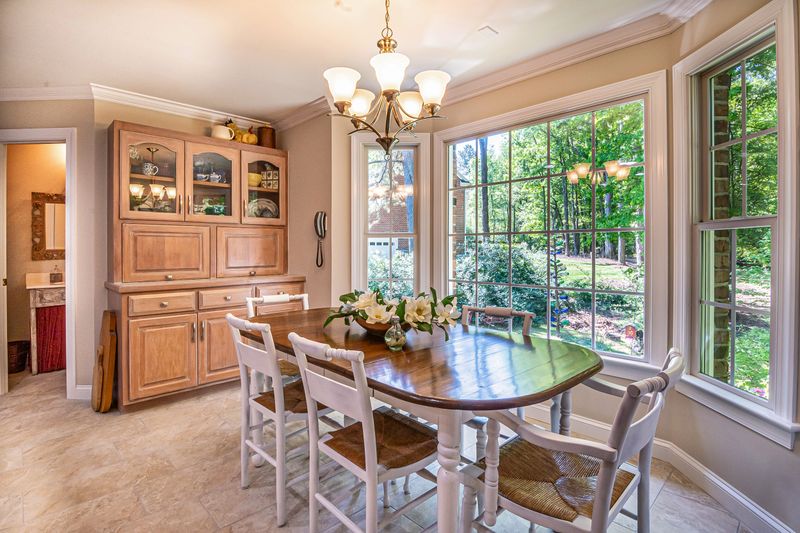
Natural light has become a major priority in contemporary renovations because it affects both aesthetics and well-being.
Bright interiors feel larger, cleaner, and more inviting. Exposure to natural light may also contribute to improved mood and productivity.
Ways to maximize natural light include:
- Enlarging windows.
- Installing glass doors.
- Adding skylights.
- Using reflective surfaces.
- Selecting lighter paint colors.
- Removing visual obstructions.
Many homeowners also replace heavy curtains with sheer window treatments that allow sunlight to enter while maintaining privacy.
A brighter home often feels more modern and welcoming regardless of its size.
How Can Mirrors Improve Light Distribution?
Mirrors remain one of the most effective design tools for amplifying natural light.
When positioned strategically, mirrors can:
- Reflect sunlight throughout a room.
- Make spaces appear larger.
- Add visual depth.
- Enhance architectural features.
Large wall mirrors, mirrored furniture, and decorative reflective surfaces can all contribute to a brighter interior environment.
Smart Home Technology and Interior Renovation
Technology has become an integral component of modern living. Renovation projects increasingly incorporate smart systems that improve convenience, efficiency, and security.
Popular smart home upgrades include:
- Automated lighting systems.
- Smart thermostats.
- Voice-controlled assistants.
- Smart security cameras.
- Motorized window coverings.
- Keyless entry systems.
These technologies allow homeowners to manage their environments more efficiently while reducing energy consumption.
Many smart devices can be integrated into a central system, enabling seamless control through smartphones or voice commands.
Which Smart Features Offer the Best Value?
Not all technology upgrades provide equal benefits.
Many homeowners prioritize:
- Smart thermostats for energy savings.
- Smart lighting for convenience.
- Security systems for peace of mind.
- Smart locks for improved accessibility.
- Leak detection systems for property protection.
Selecting practical technology rather than trendy gadgets often provides the greatest long-term return on investment.
How Can Modern Kitchens Improve Daily Living?
The kitchen remains one of the most important spaces in any home. Contemporary kitchen renovations focus on creating efficient, attractive environments that support cooking, dining, and social interaction.
Modern kitchen features often include:
- Large islands.
- Hidden storage solutions.
- Integrated appliances.
- Quartz countertops.
- Handleless cabinetry.
- Energy-efficient fixtures.
These elements contribute to cleaner aesthetics while improving functionality.
Kitchen renovations can also significantly increase property value, making them among the most popular home improvement investments.
Storage Solutions That Reduce Clutter
Modern kitchens prioritize organization.
Popular storage upgrades include:
- Pull-out pantry shelves.
- Deep drawer systems.
- Corner cabinet organizers.
- Appliance garages.
- Built-in recycling stations.
Effective storage solutions help maintain clean surfaces and improve overall usability.
Creating Comfortable and Functional Living Rooms
The living room serves multiple purposes in modern homes. It functions as a gathering area, entertainment center, workspace, and relaxation zone.
Contemporary living room renovations focus on flexibility and comfort.
Popular upgrades include:
- Built-in shelving.
- Custom entertainment units.
- Multifunctional furniture.
- Layered lighting.
- Durable flooring materials.
A thoughtfully designed living room can become the centerpiece of a home while accommodating various activities throughout the day.
One important objective is creating a safe and comfortable home environment where family members can relax, socialize, and enjoy everyday activities.
What Furniture Works Best in Contemporary Spaces?
Modern furniture emphasizes clean lines and functionality.
Look for pieces that offer:
- Hidden storage.
- Modular configurations.
- Durable materials.
- Neutral upholstery.
- Flexible layouts.
Furniture should support the room’s purpose without creating visual clutter.
Bathroom Renovation Trends Worth Considering
Bathrooms have evolved from purely functional spaces into personal retreats designed for comfort and relaxation.
Modern bathroom renovations frequently include:
- Walk-in showers.
- Frameless glass enclosures.
- Floating vanities.
- Large-format tiles.
- Smart mirrors.
- Heated flooring.
These features contribute to a luxurious atmosphere while maintaining contemporary appeal.
Many homeowners also incorporate spa-inspired elements to enhance daily routines.
How Can Small Bathrooms Feel Larger?
Limited square footage doesn’t have to limit design potential.
Strategies include:
- Installing wall-mounted fixtures.
- Using large mirrors.
- Selecting light color palettes.
- Incorporating glass shower panels.
- Maximizing vertical storage.
These design techniques can significantly improve perceived space.
Why are Sustainable Materials Becoming More Important?
Environmental awareness continues to influence renovation decisions.
Homeowners increasingly seek materials that reduce environmental impact while maintaining durability and beauty.
Popular sustainable choices include:
- Bamboo flooring.
- Recycled wood.
- Reclaimed materials.
- Low-VOC paints.
- Recycled glass surfaces.
- Energy-efficient fixtures.
Sustainable renovations can lower utility costs and contribute to healthier indoor environments.
They also appeal to future buyers who value environmentally responsible living.
Balancing Sustainability and Style
Many people mistakenly assume sustainable materials limit design possibilities.
Today’s eco-friendly products are available in a wide range of styles, finishes, and colors, allowing homeowners to achieve modern aesthetics without compromising environmental goals.
What Flooring Options Work Best for Contemporary Homes?
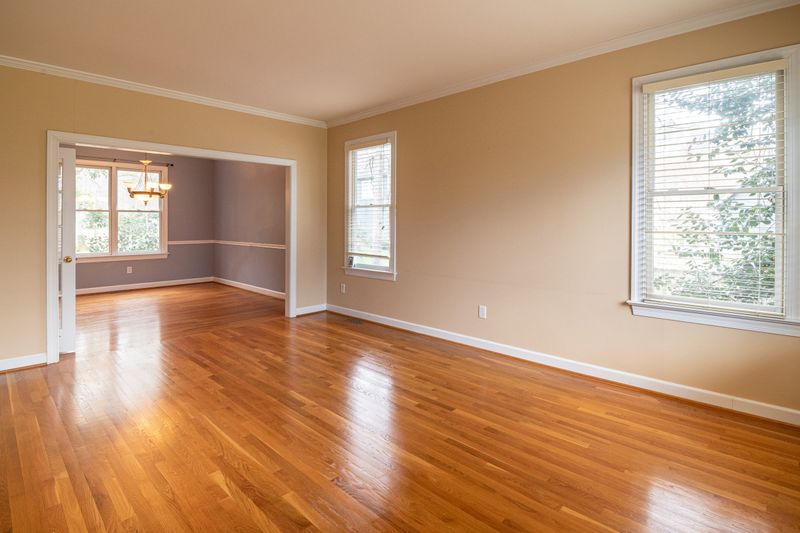
Flooring plays a significant role in defining the overall appearance of an interior.
Modern renovations commonly feature:
- Luxury vinyl plank flooring.
- Engineered hardwood.
- Polished concrete.
- Large-format porcelain tile.
- Sustainable wood alternatives.
These materials offer durability, visual appeal, and ease of maintenance.
Many homeowners choose consistent flooring throughout major living areas to create a seamless and cohesive appearance.
Choosing Flooring Based on Lifestyle
The best flooring depends on household needs.
Consider factors such as:
- Children and pets.
- Moisture exposure.
- Maintenance preferences.
- Budget.
- Design goals.
Selecting flooring that balances aesthetics and practicality ensures long-term satisfaction.
How Can Built-In Storage Improve Modern Interiors?
Clutter remains one of the biggest obstacles to achieving a contemporary look.
Built-in storage solutions help maintain organization while maximizing available space.
Examples include:
- Custom closets.
- Window seating with storage.
- Built-in bookshelves.
- Mudroom organization systems.
- Under-stair storage.
These features create cleaner interiors while improving functionality.
Modern design favors purposeful storage that integrates seamlessly into the overall aesthetic.
Why Hidden Storage Is Increasingly Popular
Hidden storage allows homeowners to maintain minimalist interiors without sacrificing convenience.
Concealed compartments, integrated cabinetry, and multifunctional furniture help keep everyday items accessible yet out of sight.
The Role of Lighting in Contemporary Renovations
Lighting influences both functionality and atmosphere.
Modern renovation projects often incorporate layered lighting strategies that combine multiple sources.
Common lighting types include:
- Ambient lighting.
- Task lighting.
- Accent lighting.
- Decorative fixtures.
Combining these layers creates versatile spaces suitable for different activities and moods.
Advancements in LED technology also improve energy efficiency while expanding design possibilities.
What Lighting Fixtures Are Trending Today?
Popular contemporary lighting choices include:
- Linear pendants.
- Recessed fixtures.
- Sculptural chandeliers.
- Wall sconces.
- Under-cabinet lighting.
The right fixtures can serve as both practical tools and design statements.
Should You Renovate Multiple Spaces at Once?
Many homeowners wonder whether it makes sense to tackle several areas simultaneously.
Combining projects can offer advantages such as:
- Reduced labor costs.
- Consistent design themes.
- Shorter overall construction timelines.
- Better coordination among contractors.
However, larger renovations require careful planning and budgeting.
If you’re preparing for a major remodeling project, developing a detailed timeline and contingency plan can help minimize disruptions and unexpected expenses.
Managing Renovation Stress Effectively
Successful renovations require organization.
Helpful strategies include:
- Establishing clear goals.
- Creating realistic budgets.
- Communicating regularly with contractors.
- Planning temporary living arrangements if necessary.
- Anticipating minor delays.
Preparation can significantly improve the renovation experience.
How Do Interior Renovations Affect Property Value?
Well-executed renovations often increase both market appeal and resale value.
Potential buyers frequently prioritize updated interiors that require minimal immediate improvements.
High-impact upgrades include:
- Kitchen renovations.
- Bathroom improvements.
- Flooring replacement.
- Energy-efficient systems.
- Open-concept layouts.
Beyond financial returns, renovations enhance daily comfort and functionality for current occupants.
Many homeowners find that interior improvements deliver value long before a future sale occurs.
The Connection Between Interior and Exterior Improvements
While interior updates often receive the most attention, homeowners should also consider how indoor renovations complement exterior upgrades.
Creating cohesive design elements throughout the property contributes to overall appeal and can support efforts aimed at enhancing curb appeal, resulting in a more attractive and valuable home.
Conclusion
Modern home interior renovation is about far more than following design trends. It involves creating spaces that support contemporary lifestyles through improved functionality, comfort, efficiency, and aesthetics. Whether you’re opening floor plans, upgrading kitchens and bathrooms, incorporating smart technology, or investing in sustainable materials, every improvement contributes to a more enjoyable living experience.
The most successful renovations balance beauty with practicality. By focusing on thoughtful design choices, durable materials, and solutions that meet your family’s unique needs, you can transform your home into a modern living environment that remains stylish and functional for years to come. Contemporary renovations are not simply upgrades—they are investments in the way you live, work, relax, and connect within your home every day.