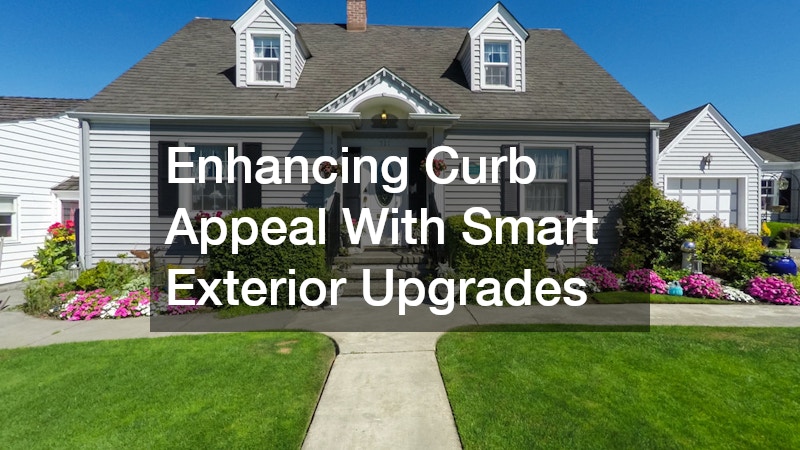
Your home is more than just the space enclosed by its four interior walls. True residential comfort is a holistic experience that seamlessly connects your indoor living areas with the environment outside. For too long, homeowners have treated their yards, driveways, and patios as secondary spaces—afterthoughts to be dealt with only when the lawn needs mowing. However, the physical and psychological impact of a well-designed exterior is profound. An intentional exterior layout can lower your stress levels, provide a sanctuary from the frantic pace of daily life, and even improve the energy efficiency and ambient comfort of your indoor spaces.
When an exterior is neglected, it quickly becomes a source of discomfort. Unshaded patios bake in the summer sun, making them unusable for months out of the year. A lack of privacy can make you feel exposed to neighbors, preventing you from truly relaxing in your own backyard. Furthermore, poor structural maintenance can lead to safety hazards underfoot, while a lack of pest mitigation can drive you back indoors before the sun even sets. By strategically upgrading your home’s architecture, hardscaping, and landscaping, you can transform your property into a seamless oasis of comfort.
Block Out Distractions with Strategic Boundary Design

Creating a comfortable exterior begins with establishing a clear sense of privacy and security. Psychological comfort is deeply tied to the feeling of being protected and secluded in your own domain. If your backyard feels like a fishbowl, you are far less likely to spend time enjoying the fresh air. To fix this, you must first assess the specific sightlines from neighboring windows and adjacent streets to determine exactly where your privacy gaps exist.
Once you have identified the vulnerable areas of your property, you can begin designing functional barriers that enhance comfort. It is important to look for professional fence builders who can help you select materials that absorb sound—such as dense composite or thick wood—rather than reflecting it back into your yard. A well-constructed perimeter wall or barrier does double duty: it acts as a visual shield against the outside world while significantly dampening local traffic noise, creating a much quieter, more serene environment.
In addition to structural boundaries, integrating natural elements is vital for softening the look of your landscape and adding vertical privacy. Consider the following actionable tips for managing your property’s natural boundaries:
- Plant a mix of evergreen trees, such as Arborvitae or Leyland Cypress, to ensure year-round visual screening that doesn’t disappear in the winter.
- Regularly consult a certified tree service to prune overhanging branches, assess the health of mature trees, and ensure that large limbs do not pose a safety hazard to your outdoor seating areas during storms.
- Use layered softscaping, placing taller shrubs in the back and shorter perennial flowers in the front, to create a natural, terraced effect that feels inviting rather than restrictive.
- Implement root barriers for any aggressive planting choices near your hardscaping to prevent future root damage to your walkways or structural foundations.
- Position fast-growing ornamental grasses near seating zones to establish a secondary, soft acoustic barrier that rustles gently in the wind to mask neighborhood noise.
- Establish a living wall framework or trellis system covered in fragrant climbing vines like star jasmine to combine tactile beauty with enhanced visual seclusion.
Architectures That Shield You from the Elements

An outdoor living space is only comfortable if it can shield you from changing weather conditions. To maximize the usability of your backyard, you need specialized architectural features that mitigate the intensity of the sun, wind, and rain. The goal is to create an extension of your home where the climate can be modulated to your liking, allowing you to enjoy the fresh air whether it is a blazing July afternoon or a crisp October evening.
When planning these architectural additions, think about how different zones of your yard will be used. Experienced deck builders can design multi-level platforms that separate your high-energy cooking and dining zones from your quiet, low-energy lounging areas. Elevating these spaces slightly off the ground not only improves your view of the rest of the landscape but also keeps your feet away from damp ground soil and improves natural airflow beneath the structure, keeping the area cooler in the summer.
To complement your elevated platforms, adding overhead protection is an absolute necessity for regulating temperature and sunlight. Consider these specific tips for designing weather-resistant structures:
- Position an outdoor pergola over your primary seating area, and consider adding a retractable canopy or adjustable louvers so you can control the exact amount of sunlight filtering through during the day.
- Orient overhead crossbeams to align with the angle of the afternoon sun, maximizing the amount of shade produced during the hottest hours of the day.
- Install heavy-duty, weather-resistant outdoor curtains along the sides of your structures to block harsh horizontal winds and add an extra layer of temporary privacy.
- Mount outdoor-rated ceiling fans to the underside of your overhead structures to maintain a consistent breeze, which cools the skin and keeps flying insects at bay.
- Integrate built-in misting systems or infrared heaters into the support framework to actively modify the ambient temperature across changing seasons.
- Fit your overhead roofing systems with integrated gutter channels to cleanly divert rainfall away from the living perimeter, keeping the underlying footprint completely dry.
Smooth and Durable Walkways for Effortless Transitions
The physical comfort of an exterior space is heavily dependent on how safely and easily you can move through it. Uneven ground, muddy paths, and slippery surfaces create underlying anxiety and can lead to physical strain or injury. Investing in high-quality hardscaping ensures that your transitions from the driveway to the backyard, or from the back door to the seating areas, are smooth, level, and entirely stress-free.
When choosing materials for your walkways and patios, stability and drainage should be your top priorities. A reputable paver company can help you install interlocking stones that are designed to shed water efficiently. Unlike solid poured surfaces that can accumulate sheets of ice or large puddles, interlocking systems allow water to filter down into the ground between the joints. This prevents pooling water, greatly reduces slip hazards during heavy rainstorms, and keeps your shoes clean and dry as you move about your property.
For areas that support heavier weight or require an absolutely uniform, smooth finish, combining stones with solid masonry is often the best approach. Keep the following guidelines in mind when upgrading your ground-level infrastructure:
- Hire a local concrete service to pour level foundation slabs for heavy amenities, such as outdoor kitchens, stone fireplaces, or hot tubs, ensuring these heavy features do not sink or shift over time.
- Ensure all primary walkways are built to a minimum width of three to four feet, allowing two people to walk comfortably side-by-side without stepping onto the grass.
- Choose light-colored masonry materials that reflect solar radiation, keeping the ground significantly cooler underfoot for bare feet and pets during the peak of summer.
- Apply non-slip texturing aggregates to any smooth exterior concrete or stone finishes to maintain excellent traction even when the surface is completely wet.
- Grade the soil adjacent to all hardscaped pathways with a subtle slope to direct water runoff away from the home foundation and into designated rain gardens.
- Utilize edge-restraint systems along the borders of stone pathways to lock the individual pieces together permanently and prevent horizontal shifting or spreading.
Long-Term Maintenance to Ensure Safe and Clean Driveways
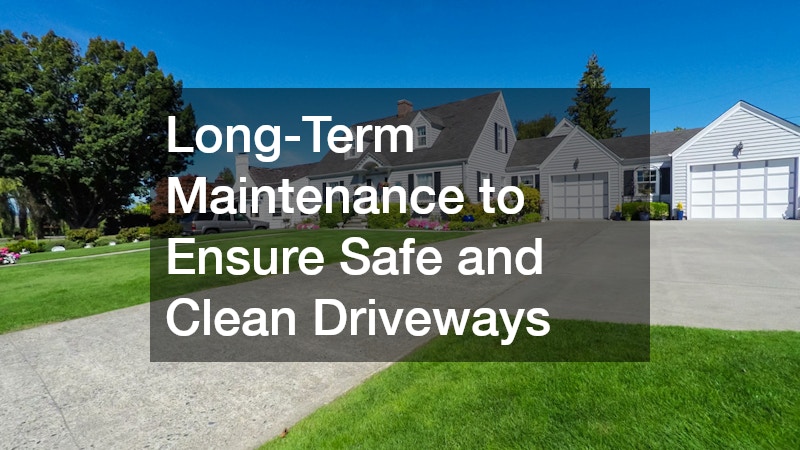
The comfort of your home exterior extends all the way to the front of your property, including your driveway and parking areas. A cracked, crumbling, or stained driveway creates a negative visual impression and introduces physical discomfort every time you park your car or walk to the mailbox. Maintaining these high-traffic asphalt and concrete zones is essential for preventing trip hazards and keeping your property looking pristine.
Over time, heavy vehicles, shifting soil, and changing temperatures will cause subgrade movement and surface degradation. If you notice localized sinking or sharp, jagged edges forming in your driveway, you may need professional pavement cutting to remove the damaged sections cleanly before repouring the base. Taking care of these structural failures early prevents small cracks from expanding into destructive potholes that can damage your vehicles or cause twisted ankles.
Once the structural integrity of your driveway is secure, preventative surface maintenance will dramatically extend its lifespan and improve its daily usability. Consider these actionable maintenance tips for your high-traffic zones:
- Coordinate professional asphalt sealcoating services every two to three years to fill minor surface pores, lock out destructive moisture, and protect the binder from UV degradation.
- Address oil, fluid, and chemical spills from vehicles immediately using absorbent compounds and heavy-duty degreasers to prevent the underlying materials from softening and eroding.
- Keep the edges of your driveway clearly defined by installing low-profile stone borders, which prevent grass roots from encroaching and cracking the perimeter of the pavement.
- Clear away loose gravel, dirt, and debris weekly to ensure that tires do not grind abrasive particles into the surface, which accelerates surface wear.
- Sweep away accumulating fall leaves and organic matter promptly to minimize dark tanning stains and prevent the growth of slippery moss along the margins.
- Fill expanding hairline fissures with specialized rubberized joint sealants ahead of winter to block the freeze-thaw cycles that buckle coastal and northern driveways.
Illuminating Pathways and Securing Your Perimeter
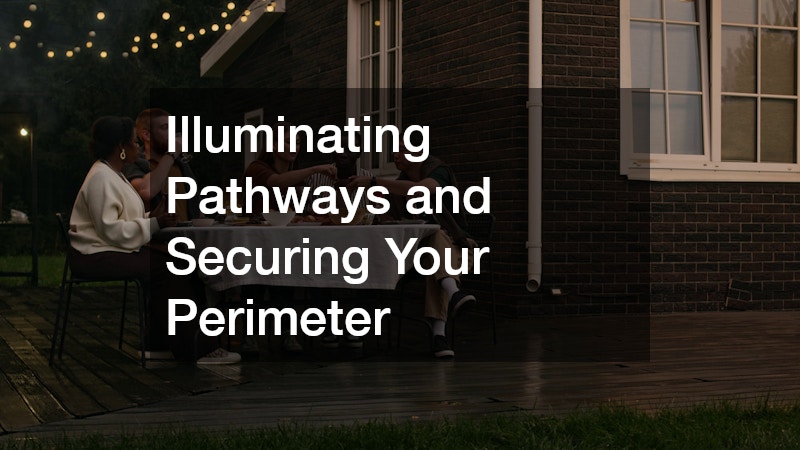
The comfort and usability of your home exterior should not expire when the sun goes down. A dark yard can feel ominous and unsafe, effectively rendering your outdoor living spaces useless for half of the day. Proper illumination extends your living space into the evening hours, creating a warm, welcoming ambiance while simultaneously discouraging nocturnal pests and unwanted intruders from approaching your home.
When planning your evening environment, the goal is to create a layered lighting scheme that balances safety with relaxation. You can work with exterior lighting services to position low-voltage fixtures that highlight architectural features, paths, and steps without creating harsh, blinding glare. Using warm-toned LED bulbs rather than stark white or blue tones creates a cozy, relaxing environment that mimics the soothing quality of candlelight, which naturally encourages relaxation and lowers stress.
While lighting handles the visual comfort of your evening space, physical comfort requires addressing the biological factors of your environment, specifically bugs and wildlife. Consider these essential tips for managing your evening environment:
- Maintain a comprehensive schedule with a professional pest control team to treat breeding grounds, clear out ticks and mosquitoes, and ensure that your evening relaxation is not ruined by biting insects.
- Eliminate all sources of standing water on your property, including uncleaned gutters, birdbaths, and low spots in the lawn, to disrupt the reproduction cycle of annoying insects.
- Use localized task lighting, such as under-counter LEDs in outdoor kitchens, so you can see what you are doing clearly without having to flood the entire yard with bright, disruptive light.
- Install motion-activated security lights along the dark perimeters and side yards of your house to provide instant visibility and peace of mind whenever movement is detected.
- Replace standard bright exterior floodlights with smart, dimmable fixtures that can automatically lower their intensity after a certain hour to respect circadian rhythms and prevent light pollution.
- Introduce strategically placed yellow bug lights or sodium vapor bulbs in high-traffic transition areas, as these specific wavelengths are far less attractive to flying insects.
Building your home exterior for greater comfort is a wise investment that pays dividends in your overall quality of life. By shifting your perspective and viewing your yard as a collection of functional outdoor rooms, you can unlock the full potential of your property. Whether you are installing structural boundaries to block out the noise of the neighborhood, building protective architectures to shield your family from the sun, or maintaining smooth walkways and driveways for maximum safety, every single upgrade contributes to a more cohesive and relaxing living environment.
True exterior comfort does not happen overnight; it requires careful planning, routine maintenance, and the right strategic upgrades. Take a walk around your property today and audit your current exterior layout. Identify the spaces that feel uncomfortable, exposed, or underutilized, and choose one specific project to tackle this season. By systematically addressing these comfort gaps, you will create a beautiful, harmonious sanctuary that you and your loved ones can enjoy for many years to come.