Introduction
Maintaining and improving your home requires a thoughtful balance between interior upgrades, exterior protection, and outdoor enhancements. Each area of your property plays a role in overall functionality, comfort, and long-term value. While many homeowners focus on cosmetic improvements, the most effective approach combines structural maintenance with strategic renovations.
Your home’s exterior protects everything inside, while interior spaces support daily living. Outdoor areas extend usable space and provide opportunities for relaxation and entertainment. Thoughtful landscaping, functional outdoor structures, and durable materials all contribute to a home that is both beautiful and practical. When all three areas are carefully maintained and upgraded, they create a cohesive, efficient, and enjoyable living environment.
This guide provides actionable strategies for evaluating your property, prioritizing improvements, and working with qualified professionals. By approaching projects with a clear plan, realistic timelines, and a long-term vision, you can enhance both the appearance and performance of your home while protecting your investment for years to come.
Evaluate Your Property Before Starting Any Project
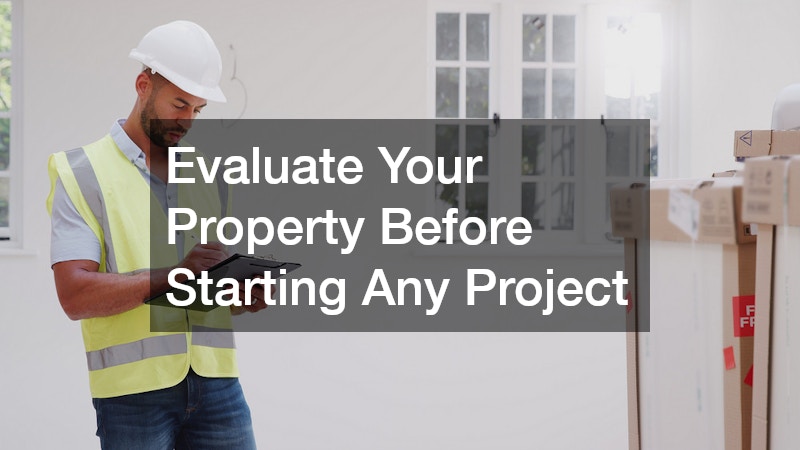
Before beginning any renovation or maintenance work, it is essential to understand the current condition of your home. A thorough evaluation helps identify potential problems and ensures that upgrades are built on a solid foundation.
Start with a comprehensive walkthrough of both the interior and exterior:
-
Inspect walls, ceilings, and floors for cracks or water damage
-
Check windows and doors for drafts or misalignment
-
Examine roofing and siding for visible wear
-
Assess outdoor spaces for drainage or grading issues
If you are planning larger renovations, consulting a home remodeling contractor can provide valuable insight. These professionals can evaluate structural integrity, identify hidden issues, and recommend solutions that align with your goals.
When assessing your property, prioritize findings into categories:
-
Immediate safety concerns
-
Structural or system repairs
-
Efficiency improvements
-
Cosmetic upgrades
Documenting these observations with photos and notes will help guide conversations with contractors and ensure that nothing is overlooked.
Address Structural and Exterior Protection First
Protecting your home from the elements should always be the first priority. Structural issues and exterior damage can quickly lead to costly repairs if not addressed promptly.
Roof repair is one of the most critical aspects of exterior maintenance. Even small leaks can allow water to penetrate insulation and framing, leading to mold growth and structural deterioration. Common warning signs include:
-
Missing or damaged shingles
-
Water stains on ceilings
-
Sagging roof sections
-
Granule buildup in gutters
In addition to roofing, siding plays a vital role in protecting your home. A professional siding company can repair or replace damaged materials, improving insulation and preventing moisture intrusion.
Benefits of maintaining siding include:
-
Improved energy efficiency
-
Enhanced weather resistance
-
Reduced maintenance needs
-
Increased curb appeal
Addressing these elements early ensures that your home remains protected and provides a strong foundation for future improvements.
Improve Drainage to Prevent Long-Term Damage
Water management is essential for protecting your home’s foundation and exterior surfaces. Poor drainage can lead to erosion, basement flooding, and structural instability.
Working with a gutter company ensures that rainwater is effectively directed away from your home. Properly installed and maintained gutters prevent water from pooling around the foundation.
Signs of drainage issues include:
-
Water pooling near the base of the home
-
Soil erosion around landscaping
-
Overflowing or sagging gutters
-
Stains on exterior walls
To maintain effective drainage:
-
Clean gutters regularly to remove debris
-
Inspect downspouts for proper flow
-
Extend downspouts away from the foundation
-
Ensure grading slopes away from the home
Proactive drainage management protects your property and reduces the risk of long-term damage.
Plan Interior Upgrades With a Clear Vision
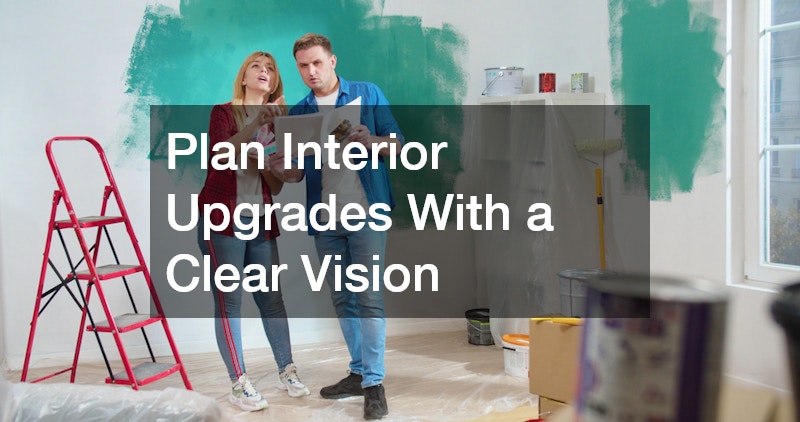
Interior renovations should be guided by a clear plan that balances functionality, style, and budget. Without proper planning, projects can become disjointed and costly.
A remodeling company can help develop a cohesive design strategy that aligns with your goals. This includes evaluating layouts, selecting materials, and coordinating timelines.
Key planning considerations include:
-
Defining your priorities and must-have features
-
Establishing a realistic budget
-
Creating a project timeline
-
Planning for temporary disruptions during construction
When multiple projects are involved, coordinating them can save time and money. For example, combining electrical, plumbing, and structural updates into a single project reduces labor duplication.
Careful planning ensures that your investment delivers long-term value and satisfaction.
Transform Kitchens Into Functional, Modern Spaces
The kitchen is one of the most frequently used areas of any home. Thoughtful kitchen renovations can improve both functionality and visual appeal.
Focus on optimizing the layout to enhance workflow. The classic work triangle—connecting the sink, stove, and refrigerator—remains a valuable design principle.
Key upgrades to consider include:
-
Installing efficient storage solutions
-
Upgrading lighting for better visibility
-
Choosing durable countertops and cabinetry
-
Incorporating energy-efficient appliances
Additional tips for successful kitchen upgrades:
-
Use pull-out shelves and organizers for better accessibility
-
Select materials that are easy to clean and maintain
-
Plan for adequate electrical outlets and charging stations
-
Incorporate layered lighting for different tasks
A well-designed kitchen enhances daily living and significantly increases property value.
Upgrade Bathrooms for Comfort and Efficiency
Bathrooms are high-impact areas for renovations, offering both functional and aesthetic improvements. Working with experienced bathroom remodelers ensures that upgrades are durable, practical, and tailored to your lifestyle.
Key considerations include:
-
Improving ventilation – Proper ventilation prevents mold, mildew, and moisture damage. Consider energy-efficient exhaust fans or even humidity-sensing systems.
-
Upgrading fixtures for water efficiency – Low-flow toilets, faucets, and showerheads conserve water while maintaining performance.
-
Enhancing lighting – Layered lighting, including task, ambient, and accent lights, improves visibility and creates a relaxing ambiance.
-
Maximizing storage space – Utilize vertical storage, recessed shelving, and multi-functional cabinets to reduce clutter and improve usability.
Popular bathroom improvements include:
-
Walk-in showers with modern features – Frameless glass, rainfall showerheads, and built-in benches enhance both style and comfort.
-
Double vanities for shared spaces – Ideal for family bathrooms, double vanities increase convenience and storage.
-
Heated flooring – Adds comfort during colder months and can improve energy efficiency when paired with programmable thermostats.
-
Durable, water-resistant materials – Materials such as porcelain tile, quartz countertops, and moisture-resistant cabinetry ensure long-term durability.
Designing bathrooms with long-term use in mind ensures they remain practical and appealing for years. Consider accessibility features, such as grab bars or walk-in tubs, for aging-in-place solutions. Additionally, incorporating neutral color schemes and timeless finishes can help maintain value and aesthetic appeal over time.
Enhance Outdoor Spaces for Everyday Living
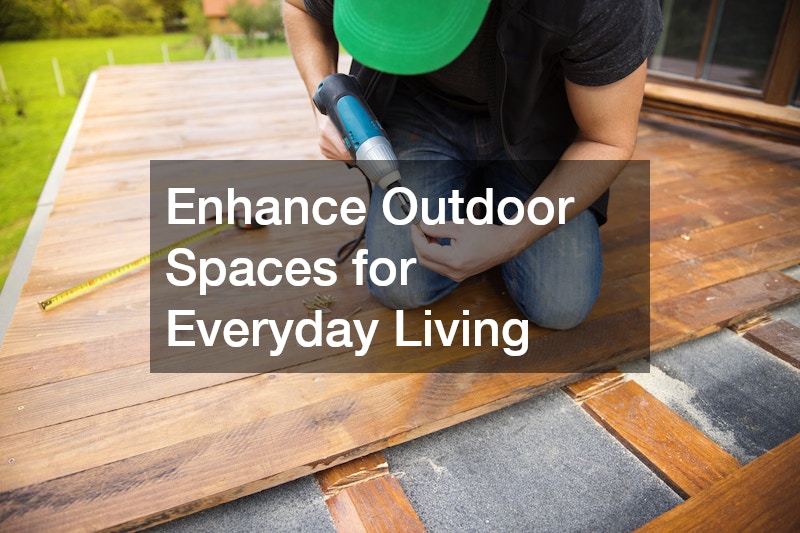
Outdoor areas provide valuable living space and contribute significantly to your home’s overall appeal. Thoughtful landscaping transforms a yard into a functional, attractive, and enjoyable environment.
Benefits of investing in landscaping include:
-
Improved curb appeal, which can increase property value
-
Enhanced property value through well-designed outdoor spaces
-
Better drainage and soil stability, preventing erosion and water damage
-
Increased usability of outdoor spaces for gatherings, recreation, or relaxation
When planning outdoor improvements:
-
Choose plants suited to your climate to reduce water and maintenance needs
-
Incorporate hardscaping elements such as pathways, patios, and seating areas
-
Plan for proper irrigation, drainage, and long-term maintenance
-
Create defined zones for different activities, including dining, lounging, and play areas
Regular maintenance is essential to keep outdoor spaces looking their best. This includes trimming and pruning plants, maintaining soil health, addressing drainage issues, and seasonal cleanup. Landscaping lighting and outdoor décor also enhance usability and create a welcoming atmosphere.
Add High-Value Outdoor Features for Recreation
Outdoor features like pools, fire pits, and outdoor kitchens can significantly enhance your home’s enjoyment and functionality. Working with specialized contractors, such as in-ground pool builders, ensures safe, high-quality installations.
When planning a pool installation, consider:
-
Available space and layout for the pool, deck, and surrounding landscaping
-
Safety features such as fencing, gates, and pool covers
-
Long-term maintenance requirements, including cleaning and chemical treatment
-
Integration with existing landscaping for a cohesive look
Enhancements to consider include:
-
Lighting for nighttime use, creating ambiance and safety
-
Seating areas and shade structures for relaxation and entertainment
-
Water features like fountains or waterfalls for visual appeal
-
Energy-efficient filtration systems to reduce operational costs
A well-designed pool area not only adds recreational value but also enhances property aesthetics, making it a worthwhile long-term investment.
Expand Living Space With Outdoor Structures
Adding outdoor structures is an effective way to increase usable space and extend your living area. Custom decks, pergolas, and patios provide versatile areas for dining, entertaining, and relaxation.
Benefits of custom decks include:
-
Expanded living space for gatherings and outdoor activities
-
Increased property value with high-quality construction
-
Improved connection between indoor and outdoor areas
-
Versatility for seasonal use, hobbies, and entertaining
When designing a custom deck:
-
Choose materials that suit your climate and maintenance preferences, such as composite wood for low upkeep
-
Ensure proper structural support and safety features, including secure railings and non-slip surfaces
-
Incorporate lighting and outdoor electrical outlets for functionality
-
Plan furniture layout and traffic flow to maximize usability
Routine maintenance, including cleaning, sealing, and inspections, helps extend the lifespan of decks and other outdoor structures, keeping them safe and visually appealing for years.
Coordinate Multiple Projects for Maximum Efficiency
Coordinating multiple home improvement projects requires careful planning and communication. Aligning projects ensures they are completed efficiently and with minimal disruption to daily life.
Strategies for effective coordination include:
-
Creating a detailed project timeline outlining each phase
-
Scheduling work in logical order to prevent conflicts or rework
-
Communicating regularly with contractors to stay informed
-
Monitoring progress and addressing issues promptly
For example, completing exterior repairs before interior renovations prevents damage to newly updated spaces. Similarly, addressing structural or electrical issues before cosmetic upgrades ensures long-lasting results. A coordinated approach reduces costs, minimizes disruptions, and improves overall project outcomes.
Choose the Right Professionals for Every Project
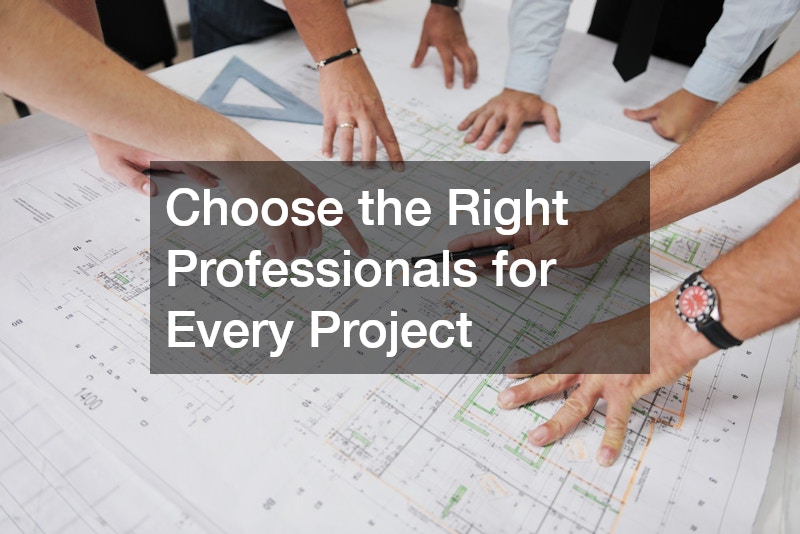
Selecting qualified professionals is critical for achieving high-quality results. Whether working with a remodeling company, landscape contractor, or specialized tradesperson, thorough vetting is essential.
Key factors to consider when hiring professionals:
-
Licensing and insurance to ensure compliance and coverage
-
Experience with similar projects to ensure expertise
-
Customer reviews and references for insight into reliability and workmanship
-
Clear communication and responsiveness throughout the project
Questions to ask potential contractors:
-
What is your timeline for completion?
-
Can you provide detailed estimates, including labor and materials?
-
What warranties or guarantees do you offer?
-
How do you handle unexpected issues or delays?
Avoid contractors who provide vague estimates, lack credentials, or pressure you into quick decisions. Choosing the right professionals ensures smoother project execution, higher-quality results, and long-term satisfaction.
Establish a Long-Term Maintenance Plan
Ongoing maintenance is essential for preserving your investment and keeping your home in excellent condition. A structured plan prevents minor issues from turning into costly repairs and extends the lifespan of key features.
Key components of a maintenance plan include:
-
Regular inspections of roofing, siding, gutters, and structural elements
-
Seasonal maintenance for outdoor spaces, including landscaping and irrigation
-
Routine cleaning and upkeep of interior areas, including bathrooms and kitchens
-
Tracking service dates, repairs, and warranties for all home systems
Benefits of a long-term maintenance plan include:
-
Reduced risk of unexpected repairs and emergency expenses
-
Improved efficiency and performance of home systems and appliances
-
Enhanced property value through consistent upkeep
-
Greater peace of mind for homeowners
Consistency is key. Addressing small issues early helps prevent larger problems and ensures your home remains safe, comfortable, and visually appealing.
Conclusion
Improving and maintaining your home requires a balanced approach that addresses both interior and exterior needs. By prioritizing structural protection, planning thoughtful renovations, and enhancing outdoor spaces, homeowners create properties that are functional, visually appealing, and enjoyable. Thoughtful upgrades, whether in bathrooms, kitchens, or outdoor living areas, not only improve daily comfort but also contribute to long-term property value.
Working with experienced professionals, coordinating projects effectively, and maintaining a long-term perspective ensures investments deliver lasting value. Regular inspections, preventative maintenance, and timely repairs help avoid costly emergencies while preserving the efficiency and safety of your home’s systems. Additionally, incorporating energy-efficient features, durable materials, and versatile designs can reduce environmental impact and lower utility costs.
With careful planning, attention to detail, and ongoing upkeep, your home can continue to meet your needs while providing comfort, efficiency, and enjoyment for years to come. A proactive approach allows homeowners to maximize both the aesthetic and functional potential of their property, creating a space that truly reflects their lifestyle and long-term goals.