
Every homeowner eventually faces the same question: what should be repaired first? When multiple issues arise at once, it can be difficult to decide where to focus time, attention, and resources. Some problems appear minor but hide serious underlying risks, while others seem urgent yet can safely wait a short while. Without a clear strategy, homeowners often react emotionally rather than logically, which can lead to higher costs and preventable damage.
A repair roadmap helps bring structure to the decision-making process. Instead of tackling issues randomly, you prioritize them based on safety, risk of further damage, system interdependence, and long-term financial impact. Water-related problems, for example, typically demand immediate attention because they can spread quickly and compromise structural materials. Mechanical systems that affect daily living, such as heating and cooling, may also rise to the top of the list. Cosmetic issues, on the other hand, may be scheduled strategically once foundational systems are secure.
This guide walks through ten common home repair categories and explains how to evaluate their urgency. By understanding what each system does, what warning signs to look for, and what happens if you delay repairs, you can make informed choices. A proactive approach not only protects your property’s value but also preserves safety and comfort for everyone in your home.
Addressing Structural Protection at the Top of the Home
The roof serves as your home’s primary defense against weather, making roof repair one of the highest-priority considerations on any repair roadmap. Even small leaks can allow water to penetrate insulation, drywall, and framing, leading to mold growth and wood rot. Because water travels unpredictably, the visible stain on a ceiling may not represent the full extent of the problem. Acting quickly prevents minor damage from escalating into structural compromise.
Homeowners should look for missing shingles, curling edges, granule loss, or sagging sections. Inside the attic, water stains or damp insulation signal vulnerability. Ignoring these indicators can result in widespread deterioration, which becomes more expensive and disruptive to address later.
Prioritizing roof integrity first ensures that interior improvements are protected. There is little value in repairing ceilings or repainting walls if moisture intrusion remains unresolved. Securing the topmost layer of protection creates a stable foundation for addressing other repairs throughout the home.
Resolving Everyday Plumbing Disruptions

A slow sink or shower may seem like a minor inconvenience, but clogged drain repair should not be postponed for long. Blockages can worsen over time, placing pressure on pipes and increasing the likelihood of leaks or backups. In kitchens, grease and debris buildup can solidify, creating stubborn obstructions that restrict water flow.
When drains begin gurgling, draining slowly, or emitting odors, early intervention prevents larger plumbing complications. Addressing localized clogs promptly reduces strain on the broader wastewater system. Plumbing issues often escalate quietly. By treating drain problems early, homeowners maintain sanitation and prevent potential water damage. Organized maintenance reduces the risk of sudden emergencies.
Investigating Deeper Wastewater Concerns
More serious than localized clogs, sewer line repair addresses problems within the main wastewater connection. Warning signs include multiple drains backing up simultaneously, sewage odors, or soggy patches in the yard. Tree root intrusion, shifting soil, or pipe corrosion can compromise these underground lines.
Because sewer systems affect the entire household, delays can result in extensive property damage and health hazards. Professional inspection tools such as camera scoping help identify the exact source of the problem. Addressing sewer infrastructure early prevents contamination and structural damage. This category ranks high on any repair roadmap due to its potential impact on sanitation and livability.
Restoring Reliable Hot Water

Few disruptions are as immediately noticeable as inconsistent hot water. Water heater repairs should be prioritized when homeowners notice fluctuating temperatures, strange noises, or rusty water. Sediment buildup can reduce efficiency and strain internal components.
Ignoring early warning signs may shorten the system’s lifespan and increase energy consumption. Routine inspection and flushing improve performance and reliability. Reliable hot water supports hygiene, cooking, and cleaning routines. Addressing heater issues early preserves daily comfort and prevents emergency breakdowns.
Water heating systems experience daily wear that accumulates gradually. Homeowners should monitor recovery time after heavy usage and note any decline in performance. Fluctuating temperatures may indicate heating element fatigue or thermostat calibration issues. Performing annual tank flushing reduces sediment buildup that restricts efficiency. It is also wise to inspect pressure relief valves and venting components for safety compliance. Keeping detailed maintenance records helps determine whether recurring service needs signal deeper internal wear. Evaluating insulation around tanks and exposed pipes can improve efficiency and reduce strain. If unusual popping or rumbling noises occur, prompt attention prevents overheating damage. Integrating routine inspections into a broader home maintenance calendar ensures that heater concerns are addressed before complete system failure occurs. Reliable hot water remains foundational to hygiene and daily function, making consistent oversight a practical priority.
Maintaining Indoor Climate Stability
Heating and cooling systems are central to year-round comfort. When airflow weakens or temperatures become inconsistent, ac repair may be necessary. Unusual noises, refrigerant leaks, or frequent cycling signal potential mechanical strain. Delaying service can cause additional wear and increase utility costs. Routine maintenance improves efficiency and extends equipment lifespan. Because indoor climate affects health and productivity, cooling system issues should be addressed before cosmetic improvements. Maintaining stable temperatures protects both occupants and household materials.
Cooling systems often operate unnoticed until they begin underperforming. Homeowners should assess airflow consistency in every room and monitor energy bills for unexplained increases. Dirty filters restrict airflow and force systems to work harder, shortening equipment lifespan. Seasonal tune-ups before peak summer demand help detect worn components early. It is also beneficial to inspect ductwork for leaks that may reduce overall efficiency. Uneven cooling between rooms can indicate insulation gaps or duct obstructions. Keeping outdoor condenser units free of debris improves performance and reduces overheating risk. Documenting service visits and component replacements supports long-term planning for eventual upgrades. A well-maintained cooling system enhances air quality and prevents discomfort during extreme temperatures. Proactive climate control management safeguards both comfort and structural materials from humidity-related stress.
Preventing Water Damage Along the Roofline
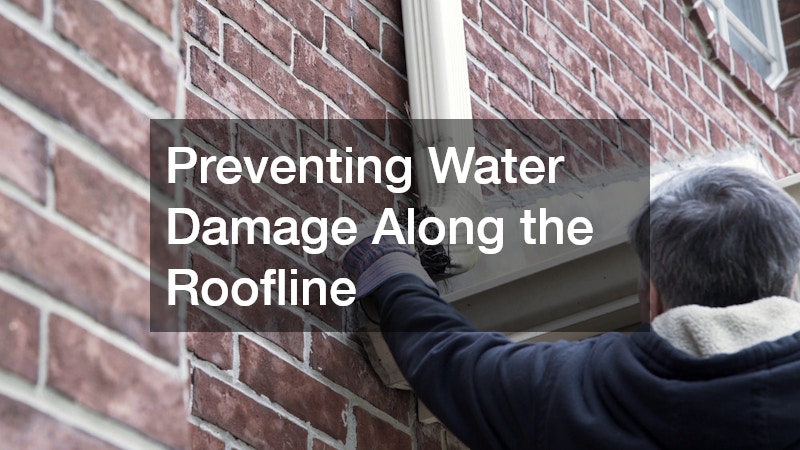
Gutters channel water away from the home’s foundation. A failing gutter repair service may result in overflow, soil erosion, or siding damage. Loose sections, sagging channels, or persistent pooling water indicate a malfunction. Blocked gutters can also contribute to ice dams in colder climates. Regular cleaning and inspection prevent structural deterioration. Water diversion systems protect foundations and landscaping. Addressing gutter integrity reduces the risk of long-term moisture damage.
Water diversion systems require consistent visual checks, particularly after storms. Homeowners should observe water flow patterns during rainfall to identify overflow points or leaks. Misaligned downspouts may direct water toward foundations rather than away from them. Installing splash blocks or underground extensions enhances drainage efficiency. It is also important to confirm that gutters maintain proper slope for optimal flow. Accumulated debris increases weight, placing stress on fasteners and fascia boards. Regular cleaning schedules—especially during fall—prevent blockages from forming. Maintaining written records of cleaning and minor repairs improves long-term upkeep consistency. Because moisture damage often begins subtly, early attention prevents foundation cracks and basement leaks. Treating gutters as essential infrastructure rather than decorative trim preserves structural integrity.
Securing Access Points and Daily Entry
Garage doors serve as both security features and functional access points. Affordable garage door repair becomes important when doors stick, produce loud noises, or fail to close fully. Broken springs or misaligned tracks create safety hazards. Because garage doors are heavy and under tension, mechanical failures can cause injury. Routine inspection ensures smooth operation and secure locking mechanisms. Addressing entry system issues strengthens home security and prevents inconvenience. Functional access supports daily routines and property safety.
Garage doors experience repetitive mechanical stress that gradually wears down components. Homeowners should inspect cables, rollers, and hinges periodically for signs of fatigue. Lubricating moving parts according to manufacturer guidelines improves smooth operation. Safety sensors must remain aligned and unobstructed to prevent accidents. If doors hesitate or close unevenly, addressing alignment early prevents track damage. Weather stripping along the base of the door should also be examined for gaps that allow pests or moisture inside. Testing manual release mechanisms ensures functionality during power outages. Keeping maintenance records and scheduling periodic inspections supports reliable operation. A secure and functional garage door strengthens both home security and everyday convenience. Early attention prevents emergency repairs that disrupt daily routines.
Preserving Exterior Boundaries
Fences define property lines and provide privacy. When leaning posts or damaged panels appear, consulting fence repair companies may be necessary. Storm damage, rot, or shifting soil often weaken structural stability. Neglected fencing can create liability concerns if sections collapse. Early repairs maintain boundary clarity and neighborhood aesthetics. Exterior upkeep enhances curb appeal and safety. Prioritizing structural fencing prevents more extensive reconstruction later.
Fence systems are exposed continuously to environmental stress. Homeowners should examine post stability by gently testing for movement. Wood materials benefit from sealing or staining to resist moisture absorption. Metal fencing should be inspected for rust at connection points. Soil erosion around posts can gradually weaken structural anchoring. Regularly trimming vegetation near fencing reduces moisture retention and pest activity. Documenting storm-related damage supports timely repairs. Maintaining property boundaries contributes to neighborhood harmony and legal clarity. Addressing minor damage promptly prevents the need for full fence replacement. Organized fence maintenance enhances both security and curb appeal.
Evaluating Aging Equipment for Replacement
In some cases, ongoing repairs indicate the need for water heater replacement rather than continued patchwork fixes. Systems older than a decade may struggle to maintain efficiency. Frequent breakdowns suggest internal wear beyond economical repair. Reviewing energy performance and maintenance history supports informed decisions. Proactive replacement prevents sudden failure. Evaluating lifecycle timing ensures reliable hot water access.
Determining when to replace aging equipment involves analyzing repair frequency and energy performance. Homeowners should compare the cost of repeated service calls with the efficiency benefits of newer models. Reviewing manufacturer lifespan guidelines provides context for decision-making. If repair intervals shorten significantly, replacement becomes more practical. Energy-efficient upgrades may reduce long-term utility expenses. Homeowners should also consider space requirements and installation compatibility when evaluating options. Documenting serial numbers and installation dates simplifies warranty tracking. Proactively planning for replacement prevents emergency situations during peak usage seasons. Strategic lifecycle management supports long-term financial and functional stability.
Repairing Interior Surface Damage
While not always urgent, carpet repairs contribute to safety and appearance. Torn fibers or loose edges can create tripping hazards. Moisture exposure may also result in mold beneath the flooring. Addressing surface damage improves indoor aesthetics and reduces accident risk. Organized scheduling ensures flooring maintenance does not interfere with structural priorities. Cosmetic repairs typically follow system stabilization. Once foundational systems are secure, interior finishes can be restored confidently.
Interior surfaces contribute to comfort, acoustics, and safety. Carpet damage should be evaluated not only for appearance but also for underlying moisture exposure. Padding beneath carpets can trap dampness that leads to odor or mold growth. Homeowners should address spills and stains quickly to prevent fiber deterioration. Stretching loose carpet sections reduces tripping hazards. Coordinating flooring repairs after plumbing or structural issues ensures that underlying causes are resolved first. Maintaining a record of installation dates helps determine expected lifespan. Routine deep cleaning extends carpet durability and maintains indoor air quality. Thoughtful interior maintenance completes the repair roadmap once foundational systems are secure. Addressing surface finishes at the right time preserves both aesthetics and safety.
Prioritizing home repairs requires balancing urgency, safety, and long-term value. Structural and water-related issues often demand immediate action, while cosmetic updates can be scheduled strategically.
By following a clear roadmap, homeowners protect their investment and reduce stress. Organized evaluation prevents minor concerns from becoming major disruptions. A thoughtful repair strategy strengthens both property value and daily comfort. When you address problems methodically and proactively, your home remains a secure and stable environment for years to come.