Planning a home remodel is both exciting and overwhelming. Whether you’re preparing to upgrade a single room or you’re getting ready for a full-house transformation, a thoughtful approach will help you stay on track, avoid costly errors, and achieve a result that truly supports your lifestyle. Most homeowners dive into remodeling with a set of general ideas—updated floors here, new cabinets there, maybe a modernized layout. But the decisions required to bring a project to life go far beyond the obvious choices. From behind-the-scenes systems to exterior considerations that impact safety, efficiency, and long-term value, every step deserves careful attention.
A well-executed remodel should blend visual appeal with durability, function, and efficiency. It should also increase comfort for the people who live there. That means thinking about how materials will perform over time, how design choices will influence day-to-day use, and how structural or mechanical improvements might reduce maintenance needs. Home renovations are often one of the largest investments you’ll make, so a planned approach protects both your budget and your peace of mind.
This guide explores ten essential considerations to help you remodel with confidence, clarity, and a long-term perspective. Whether you’re refining a kitchen, building an outdoor living space, or upgrading essential systems, these insights can help you create a home that feels intentional, modern, and uniquely yours.
Understanding Your Project Goals

Before hiring contractors or picking out finishes, it’s important to define what you want to accomplish with your remodel. Are you looking for more space, better functionality, or a fresh aesthetic? Clarifying your priorities early ensures that future decisions align with your goals. For example, if you’re focused on creating a kitchen that supports heavy meal prep, you might put more emphasis on durable countertops, efficient storage, and a layout that minimizes movement between key work areas.
Homeowners also benefit from distinguishing between must-haves and nice-to-haves. During construction, decisions often evolve, and costs can shift unexpectedly. Having a clear hierarchy of priorities will help you stay grounded and avoid emotional overspending. Think about the specific problems you want to solve, such as outdated layouts, insufficient lighting, or limited storage. Then consider the improvements that will deliver the most meaningful change.
Future-proofing is another part of defining your goals. Even if you’re remodeling primarily for comfort today, it’s worth considering design choices that may benefit resale value or make your home easier to maintain as time goes on. The more detailed your goal-setting process is at the start, the smoother your remodel will be from beginning to end.
Evaluating Your Budget and Financing Options
Budgeting is one of the most critical steps in any home remodel. Costs can vary dramatically depending on materials, labor, and the complexity of the project. Start by requesting detailed proposals from multiple contractors to get a realistic understanding of potential expenses. It’s also wise to build in a contingency fund—typically 10–20 percent of the total budget—because unexpected challenges such as hidden water damage or structural issues can surface during construction.
Financing is another key consideration. Some homeowners rely on savings, while others use home equity loans, personal loans, or refinancing options. Be sure to understand the long-term implications of each financing method. Lower monthly payments may look attractive, but the total cost over time could be higher.
Another factor to consider is long-term operating costs. Certain upgrades, while more expensive upfront, may reduce utility bills or minimize maintenance needs. For example, replacing old windows or improving insulation may raise the initial cost but improve energy efficiency for years to come. By carefully balancing budget, value, and long-term goals, you’ll create a remodeling plan that supports both your vision and your financial well-being.
Choosing High-Quality Materials
The materials you choose during your remodel have a significant impact on appearance, performance, and longevity. High-traffic areas, such as kitchens and bathrooms, benefit from durable selections that can withstand frequent use. Many homeowners place special emphasis on surfaces like flooring and countertops because they experience daily wear and tear. Thoughtful material choices ensure your home maintains its appearance and function long after the remodel is complete.
Beyond choosing materials that match your aesthetic preferences, consider how well they perform over time. Some materials require more maintenance or are more susceptible to stains, scratches, or moisture damage. Others may offer superior durability but come at a higher price point. Balancing these factors helps you make decisions that align with your priorities and your lifestyle.
It’s also helpful to think about environmental impact. Sustainable materials—such as bamboo flooring, recycled glass tiles, or reclaimed wood—can reduce your remodeling footprint while still offering beautiful results. Many eco-conscious products also boast impressive durability, making them practical as well as environmentally friendly.
High-quality materials represent a long-term investment in your home’s functionality and value, ensuring the finished product looks great and performs well for years to come.
Considering Essential Systems and Infrastructure

Beneath the surface of your home lies a network of critical systems that contribute to safety, comfort, and efficiency. When planning a remodel, it’s wise to evaluate these systems to determine whether updates or repairs are necessary. Even if your project focuses on cosmetic improvements, underlying issues can affect the final result.
Plumbing, electrical, and HVAC components often perform behind the scenes, but a remodel offers a perfect opportunity to update them. For instance, if you’re adding new fixtures or rearranging a room layout, electrical rewiring or plumbing adjustments may be required. These upgrades can also support modern needs such as smart home technology or energy-efficient appliances.
Air quality and temperature control matter as well. Assessing your current air conditioning system ensures it can keep up with your home’s updated layout or improved insulation. Some homeowners combine appliance upgrades with services such as a water softener service to reduce mineral buildup and extend the life of plumbing fixtures.
By paying attention to infrastructure early in the planning process, you can avoid future disruptions and ensure your newly remodeled space operates efficiently and comfortably.
Preparing for Structural Repairs and Safety
Before any remodeling work begins, it’s essential to verify that your home’s structure is safe, stable, and capable of supporting your planned changes. Structural upgrades are not as visually appealing as new paint or modern fixtures, but they are crucial to long-term safety. Common issues such as foundation settling, moisture intrusion, and framing damage can undermine the integrity of your remodel if left unaddressed.
One area many homeowners overlook is the roof. Even if your remodel focuses on interior improvements, unresolved leaks or worn materials can lead to significant damage over time. Scheduling roof repair before you begin remodeling prevents headaches down the road and protects your investment.
Interior structures also deserve attention. Walls that show signs of cracking, bowing, or water damage may need drywall replacement or reinforcement. Identifying these issues early ensures your remodel is built on a solid foundation.
Additionally, safety improvements—such as updating old wiring, adding smoke detectors, or reinforcing stair rails—can be incorporated into the remodel without drastically increasing costs. By approaching structural safety proactively, you set the stage for a renovation that enhances both beauty and stability.
Enhancing Curb Appeal and Exterior Features
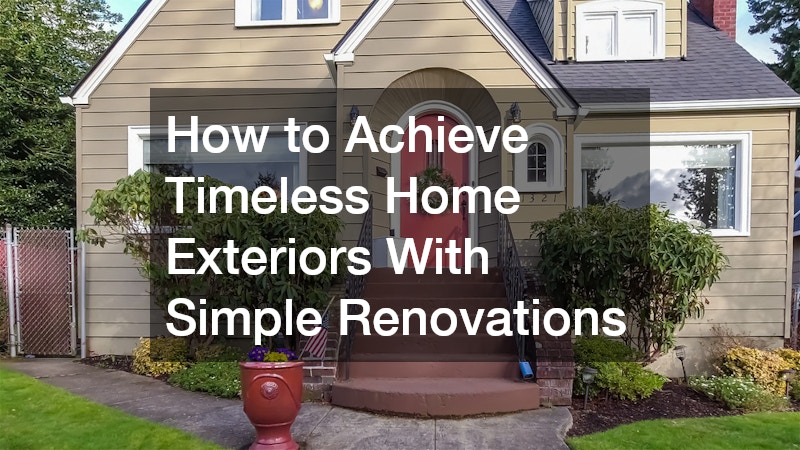
A well-planned home remodel not only improves interior spaces but also elevates curb appeal. Exterior upgrades can make your home more attractive, safer, and more functional. Many homeowners begin by refreshing siding, updating windows, or adding outdoor lighting. These improvements create a welcoming first impression and often increase property value.
Landscaping also plays a role in exterior appeal. Partnering with a tree service can help shape your yard, remove hazardous limbs, or create a more open outdoor environment. Healthy, well-maintained trees contribute to both curb appeal and property safety.
Your home’s exterior systems matter too. If your garage door is showing signs of wear or isn’t functioning properly, working with a garage door company to replace or repair it can dramatically improve convenience and appearance.
A remodel that considers exterior elements ensures your home looks cohesive and well-maintained from every angle. Even small enhancements, such as new paint or updated porch fixtures, can help your property shine and complement your newly improved interior spaces.
Elevating Indoor Comfort and Functionality

Modern homeowners increasingly prioritize comfort and convenience as essential parts of a successful remodel. Updating insulation, installing energy-efficient lighting, and improving room layouts can greatly enhance daily living. As you reconfigure your home, consider how each space supports your routine. Do you need more open areas? More storage? Better lighting?
Temperature and humidity control also influence indoor comfort. Ensuring that your air conditioning system is properly sized and functioning efficiently helps maintain an ideal environment throughout the year. During a remodel, you may also have an opportunity to update vents, change duct placements, or install smarter thermostats for improved control.
Upgrades like these work hand in hand with new finishes and design changes. A thoughtfully designed living space that’s visually appealing but uncomfortable to use undermines the entire purpose of remodeling. By prioritizing comfort early in the planning stage, you’ll create a home that not only looks beautiful but also feels great to live in.
Improving Outdoor Living And Recreational Spaces
Outdoor living spaces have become a major focus in many remodels, particularly for homeowners who enjoy spending time outside or entertaining guests. If you want to expand your usable living area beyond your home’s interior, consider the various ways you can transform your yard into a functional, relaxing retreat.
For some homeowners, partnering with a patio construction team provides a comfortable and versatile space for outdoor dining, lounging, or gatherings. Patios can be built in a wide range of materials, from natural stone to concrete pavers, allowing you to create a customized look that blends seamlessly with your home.
If you’re looking to add luxury or recreation, a swimming pool builder can help design and install a pool tailored to your property’s layout and your preferences. Pools not only enhance outdoor ambiance but also provide long-term enjoyment for families. Similarly, homeowners seeking a relaxation-focused upgrade may explore hot tub services to add a spa-like feature that elevates year-round comfort.
By incorporating outdoor enhancements as part of your remodel, you create an environment that extends your living space and maximizes your property’s full potential.
Coordinating Contractors and Project Timeline
Remodeling projects often involve multiple specialists, including electricians, plumbers, carpenters, and exterior service providers. Coordinating these professionals—and their timelines—is essential to keeping your project organized and efficient. Hiring a general contractor can simplify scheduling, communication, and oversight, particularly for larger remodels.
It’s helpful to begin with a clear project timeline and a realistic understanding of how long each phase may take. Demolition, framing, plumbing, electrical work, and finishing steps must be completed in a specific order. Delays in one phase can cascade into others, so maintaining open communication with your contractor is crucial.
If your remodel includes specialty services, such as patio construction, roofing work, or help from a tree service, make sure those tasks are scheduled at appropriate points in the project. Proper coordination ensures that outdoor and indoor projects do not interfere with one another or slow progress.
With a reliable contractor and a well-planned timeline, your remodel will be more predictable, efficient, and stress-free.
Planning for Long-Term Maintenance and Upkeep

A successful remodel should last for many years, which means thinking about maintenance requirements early on. Some materials and systems require more regular upkeep than others, impacting long-term costs and convenience. Choosing durable finishes, high-quality fixtures, and efficient mechanical systems can greatly reduce maintenance needs over time.
It’s also important to consider future service requirements. For example, partnering with a reputable garage door company for installation makes it easier to schedule future maintenance or repairs. Homeowners with upgraded plumbing systems often find that a water softener service helps extend the life of fixtures, appliances, and pipes.
Outdoor features like pools, patios, and landscaping require regular attention as well. Working with a swimming pool builder or hot tub services provider who offers ongoing support ensures that your backyard remains safe, functional, and enjoyable. Trees require occasional trimming to maintain health and prevent hazards, making a relationship with a reliable tree service valuable.
Thinking ahead about maintenance helps you protect your investment and ensures that your newly remodeled home remains in excellent condition for years to come.
A home remodel is a major undertaking, but with careful planning and thoughtful decision-making, it can transform your living space in meaningful and long-lasting ways. By considering everything from structural integrity to comfort, functionality, and aesthetics, you set the stage for a home that not only looks beautiful but also supports your lifestyle more effectively. The most successful remodels are those that account for both the visible design elements and the behind-the-scenes components that keep a home running efficiently.
Whether you’re updating major systems, refreshing interior finishes, or enhancing outdoor areas, each decision should reflect your goals and long-term vision. Upgrades such as roof repair, drywall replacement, patio construction, or even simple mechanical improvements contribute to a more comfortable, efficient, and valuable home. Meanwhile, specialty services like a swimming pool builder, hot tub services, or a dependable garage door company help elevate both practicality and enjoyment.
By investing time in planning, budgeting, contractor coordination, and future maintenance strategies, you safeguard the beauty, safety, and longevity of your remodel. With the right approach, your home can evolve into a space that feels fully customized to your needs—one that blends comfort, style, and long-term durability for years to come.