Homeowners are rethinking the way they improve their properties. Instead of pouring money into oversized renovations with uncertain returns, many are focusing on practical home conversions that improve daily life while protecting their budgets. A well-planned upgrade does not need to be extravagant to make a meaningful difference. In many cases, smaller and more intentional changes create the biggest long-term benefits.
Whether the goal is reducing utility costs, creating more flexible living space, or increasing resale appeal, budget-conscious upgrades can deliver impressive results when approached thoughtfully.
Evaluating Everyday Problems Before Starting Major Changes
One of the biggest renovation mistakes homeowners make is assuming every improvement needs to happen at once. In reality, long-term value often comes from solving the most disruptive problems first.
A family may think they need a full addition when the real issue is poor storage or inefficient room usage. Someone working remotely might immediately consider building a detached office when a garage or spare room could be converted far more affordably. Before spending money, it helps to observe how the home functions during ordinary routines.
Walk through the house and ask practical questions:
- Which spaces sit unused most of the week?
- Where does clutter naturally collect?
- Which rooms feel uncomfortable during extreme weather?
- What areas create frustration every day?
The answers usually reveal opportunities for smarter conversions.
For example, many homeowners underestimate how much poor layout design affects daily comfort. A cramped laundry area, awkward traffic flow, or dark, unused corner can make an entire house feel smaller than it actually is. Fixing these issues may cost far less than expanding square footage.
This is also the stage where outside guidance becomes valuable. Experienced construction consultants often help homeowners avoid expensive planning mistakes by identifying structural limitations, permit concerns, and realistic budget expectations early in the process. Spending money on planning may feel unnecessary initially, but it often prevents thousands of dollars in avoidable revisions later.
Transforming Underused Garage Areas Into Flexible Living Space
Garage conversions continue gaining popularity because they provide one of the most affordable ways to create usable square footage. Unlike large additions, garages already have foundations, framing, and roofing in place, which significantly reduces construction costs.
Before beginning a conversion, however, several practical concerns deserve attention.
Improving Insulation and Climate Control
Garages are rarely built with comfort in mind. Thin insulation, exposed concrete, and poor ventilation can make these spaces difficult to heat or cool efficiently. Addressing insulation early prevents future discomfort and utility spikes.
Some homeowners try to save money by skipping this step, only to regret it after experiencing extreme indoor temperatures during summer and winter.
Rethinking Entry Points and Storage
Garage doors themselves also affect long-term functionality. Older systems often leak air, create security concerns, and limit design flexibility. Modern garage door contractors can recommend insulated models that improve both appearance and energy efficiency while reducing maintenance problems.
Storage planning matters just as much. Converted garages can quickly become cluttered if homeowners eliminate all existing storage without replacing it elsewhere. Wall-mounted shelving, overhead storage systems, and built-in cabinetry help preserve organization while maximizing usable floor space.
A homeowner converting a garage into a studio apartment, for instance, may discover that thoughtful storage design makes the room feel twice as large without adding any square footage.
Improving Efficiency Before Focusing on Appearance
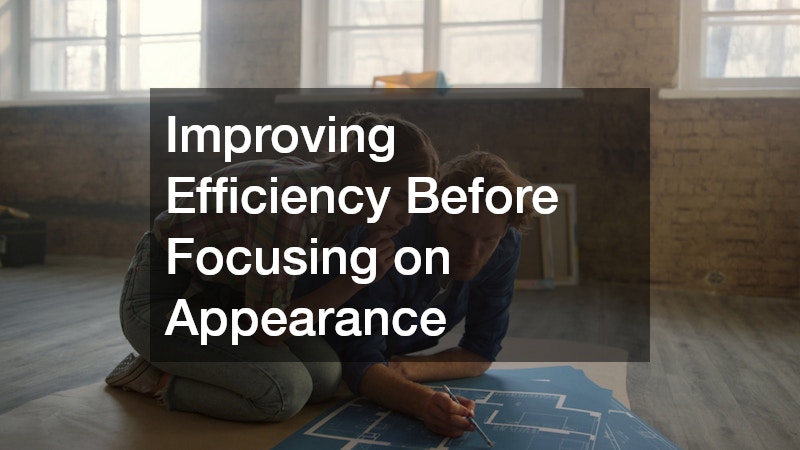
Many homeowners naturally gravitate toward visible upgrades first. New flooring, fresh paint, and decorative finishes feel exciting because the results are immediate. But cosmetic improvements rarely deliver strong long-term value if the home still struggles with energy inefficiency.
Heating and cooling costs can quietly drain household budgets for years. Drafty windows, poor ventilation, and aging roofing systems often create larger financial problems than homeowners realize.
Addressing these issues early creates benefits that continue long after the renovation is complete.
Reducing Heat Gain and Energy Waste
Natural light improves interior comfort, but excessive sunlight can create serious temperature problems. Rooms that become unbearably hot during the afternoon often force HVAC systems to work harder than necessary.
Professional window tinting helps reduce solar heat transfer while protecting furniture, flooring, and electronics from UV damage. Unlike temporary DIY films that bubble or discolor, professionally installed products typically last much longer and provide more consistent performance.
This becomes especially important in converted rooms where large windows or glass doors are added to improve brightness.
Identifying Roofing Issues Before Expanding Living Areas
Roofing problems are another commonly overlooked issue during home conversions. Small leaks or aging materials may not seem urgent initially, but converting attic space or adding insulation can trap moisture problems that worsen over time.
An experienced roofer can identify weak spots before renovation work begins. In some cases, homeowners discover ventilation problems or minor water intrusion that would have caused major interior damage if ignored.
One homeowner converting an attic into a guest suite learned during inspection that inadequate roof ventilation had already caused hidden mold growth. Catching the issue early prevented expensive repairs later and protected the value of the entire project.
Efficiency upgrades are rarely the most visually dramatic improvements, but they often produce the strongest financial returns over time.
Expanding Livable Space Through Outdoor Improvements
Not every home conversion needs to happen indoors. Outdoor living areas can dramatically increase usable space while costing far less than traditional additions.
A thoughtfully designed backyard becomes an extension of the home itself. Families gather there for meals, children play more comfortably, and homeowners gain additional space for entertaining without adding enclosed square footage.
The key is focusing on functionality rather than decoration.
Creating Zones for Daily Use
Many outdoor spaces fail because they lack purpose. A large empty backyard may technically offer space, but it often goes underused without intentional design.
Dividing the yard into practical zones makes the area feel more functional. A dining space near the kitchen entrance, a shaded seating area, and open space for recreation can all coexist even in modest-sized yards.
Strategic hardscaping plays a major role in defining these spaces. Walkways, retaining walls, patios, and stone borders create structure while reducing maintenance demands. Compared to large grass areas that require constant upkeep, hardscape surfaces often save homeowners time and money over the years.
Designing for Long-Term Maintenance
Low-maintenance planning becomes increasingly important as homeowners age or schedules become busier. Drought-tolerant plants, efficient drainage systems, and durable materials reduce future workload significantly.
Working with a local landscape designer can help homeowners avoid common layout mistakes, especially when dealing with grading, drainage, or challenging property shapes. Even relatively small yards benefit from professional planning when multiple functions need to coexist within limited space.
Preventing Water Damage Before It Becomes Expensive
Water management rarely receives much attention during renovation planning, yet it directly affects the lifespan of nearly every home improvement project.
Poor drainage can damage foundations, stain siding, erode landscaping, and create moisture issues inside converted spaces. Homeowners often focus heavily on visible upgrades while ignoring the systems protecting those investments underneath.
One of the most important areas to evaluate is roof drainage.
Recognizing Early Warning Signs
Overflowing gutters, pooling water near foundations, and soil erosion are all indicators that drainage systems may no longer function properly. These issues often worsen gradually, making them easy to ignore until significant damage occurs.
Modern gutter replacement systems improve water control while requiring less maintenance than older sectional designs. Seamless options reduce leaks and help direct water farther away from the home, protecting both foundations and landscaping.
This becomes particularly important after additions or conversions alter rooflines and runoff patterns.
Managing Irrigation More Efficiently
Outdoor water usage also deserves careful attention. Many homeowners unknowingly waste significant amounts of water through outdated sprinkler systems or poorly planned watering schedules.
Upgrading lawn irrigation systems allows homeowners to maintain healthier landscaping while reducing unnecessary water consumption. Smart irrigation controllers can even adjust watering schedules based on weather conditions, reducing both waste and utility expenses.
A homeowner investing in new landscaping after a backyard conversion may save thousands of gallons annually simply by improving irrigation efficiency.
Building Outdoor Features That Support Everyday Living
Outdoor upgrades deliver the most value when they genuinely improve how homeowners use their property every day. Expensive showcase features often look impressive initially but may sit unused after the novelty wears off.
Practicality matters more than scale.
For families who enjoy entertaining, a modest covered patio with durable seating may provide more long-term enjoyment than an oversized luxury installation that requires constant upkeep. Likewise, homeowners focused on relaxation often benefit more from quiet shaded spaces than elaborate decorative additions.
Planning Projects in Manageable Stages
One effective approach involves completing outdoor upgrades gradually. Instead of trying to build a perfect backyard immediately, homeowners can prioritize the features that will receive the most consistent use.
A phased approach might include:
- Creating a seating or dining area first
- Improving lighting and drainage next
- Adding landscaping afterward
- Incorporating specialty features later
This method keeps costs manageable while allowing homeowners to adjust plans based on actual usage patterns.
Choosing Features With Lasting Appeal
Smaller custom pools have become increasingly popular because they balance functionality with affordability. Compact plunge pools, exercise pools, and simplified designs often require less maintenance while still providing strong lifestyle benefits.
Meanwhile, partnering with an experienced landscaping company can help coordinate outdoor improvements so that separate projects work together cohesively over time.
Managing Renovation Costs Through Phased Planning
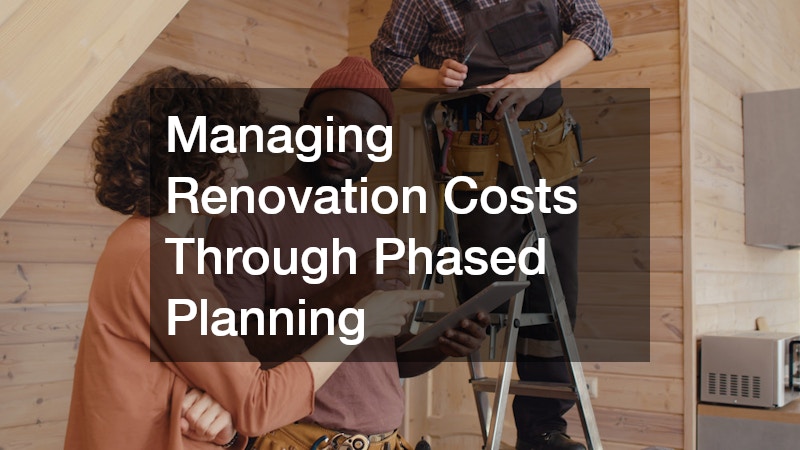
Budget-friendly home conversions rarely happen by accident. Successful projects usually involve careful prioritization and realistic timelines.
Trying to complete everything simultaneously creates financial pressure that often leads to rushed decisions, cheaper materials, or unfinished work. Breaking projects into stages gives homeowners more flexibility while reducing stress.
This approach also creates opportunities to reassess priorities along the way.
For instance, a homeowner may initially believe they need a large home office addition. After converting a spare room temporarily, they may realize the extra construction is unnecessary. Phased planning allows decisions to evolve based on real experience rather than assumptions.
Timing also affects costs more than many people realize. Material prices fluctuate, contractor schedules vary seasonally, and permit timelines can impact labor expenses. Homeowners who plan strategically often gain better pricing flexibility than those rushing into immediate construction.
That said, phased planning still requires an overall vision. Random disconnected upgrades can create inconsistent finishes or future compatibility issues. Even if projects happen gradually, homeowners benefit from understanding how each improvement contributes to long-term goals.
Choosing Durable Materials That Age Gracefully
Durability rarely generates as much excitement as trendy finishes, but it has a far greater impact on long-term satisfaction.
Homeowners frequently regret selecting materials based solely on appearance or short-term savings. Cheap flooring scratches easily, trendy finishes become outdated quickly, and low-quality fixtures often require replacement long before expected.
Durable materials may cost slightly more upfront, but they usually save money over time through lower maintenance and replacement costs.
This does not mean every home needs luxury products. In many cases, mid-range materials with proven longevity outperform expensive trend-driven alternatives.
Quartz countertops, for example, often provide better long-term practicality than delicate natural stone requiring frequent sealing. Luxury vinyl plank flooring can outperform cheaper laminate products in moisture-prone areas. Fiber cement siding may require less upkeep than lower-cost wood alternatives over the life of the home.
Design choices matter too.
Neutral finishes, timeless colors, and simple architectural details generally age more gracefully than highly specific trends. Homeowners who prioritize flexibility often find it easier to update décor later without needing another major renovation.
A practical way to approach material decisions is by considering the following questions:
- Will this material still look appropriate in ten years?
- How difficult is it to repair or maintain?
- Does it fit the home’s overall style?
- Will it hold up under daily wear?
Answering these questions honestly helps homeowners avoid expensive regret later.
Long-term value is not about creating the flashiest renovation possible. It is about building spaces that continue functioning well year after year without demanding constant repairs, upgrades, or redesigns.
Creating Improvements That Continue Paying Off
Budget-friendly home conversions succeed when they prioritize usefulness over appearance alone. The most valuable upgrades are often the ones homeowners appreciate quietly every day: lower utility bills, more comfortable living areas, improved organization, and outdoor spaces that genuinely support daily routines.
Thoughtful planning matters far more than oversized budgets. A carefully converted garage, an efficient drainage system, or a well-designed patio can improve quality of life just as meaningfully as far more expensive renovations.
The strongest long-term investments also tend to solve practical problems. Efficient layouts, durable materials, and energy-conscious improvements continue delivering benefits long after design trends change.
Homeowners do not need to transform their entire property at once to create meaningful results. In many cases, gradual and intentional upgrades lead to smarter financial decisions and more livable spaces over time.
When home conversions are approached with patience, realism, and long-term thinking, even modest projects can produce lasting value for years to come.