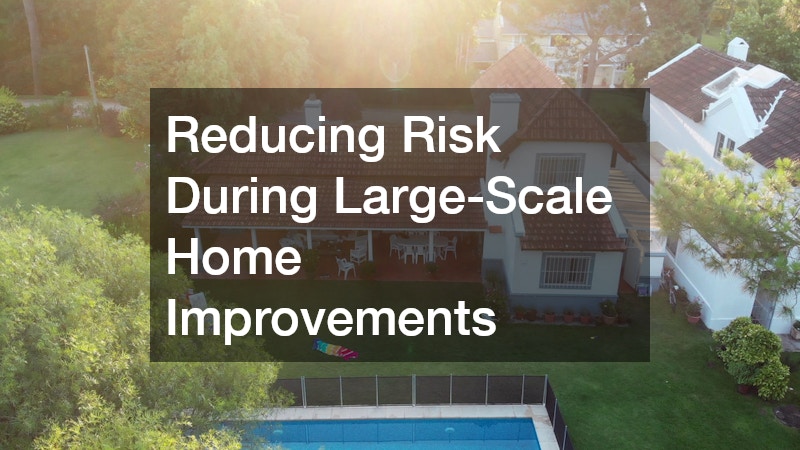
Large-scale home improvements are exciting for a reason. You’re expanding your space, modernizing outdated rooms, or finally creating the layout you’ve always wanted. But beneath the inspiration boards and design decisions is something less glamorous: risk.
Walls get opened. Systems are exposed. Heavy materials are installed. Contractors move in and out daily. And once work begins, your home temporarily stops being the controlled, predictable environment you’re used to.
Reducing risk during a major renovation isn’t about expecting disaster. It’s about understanding where problems typically arise—and putting practical safeguards in place before they become expensive surprises. Whether you’re building an addition, converting a basement, or undertaking a whole-home remodel, the way you plan and supervise the project can dramatically influence both your stress level and your long-term costs.
What follows is a deep, practical guide to protecting your investment and your peace of mind while your home transforms around you.
Start With a Full Pre-Renovation Risk Assessment

Before demolition begins, pause. The smartest homeowners I’ve worked with all do the same thing: they treat the pre-construction phase like an audit.
One of the first steps is reviewing your home insurance plan. Many homeowners assume their standard coverage automatically protects them during construction. That’s not always true. Large structural changes, long construction timelines, or unoccupied homes can change coverage terms. Call your insurance provider and ask direct questions:
- Does my current policy cover renovation-related damage?
- Are there limits during structural changes?
- Do I need a temporary builder’s risk policy?
Get written confirmation. Don’t rely on assumptions.
Next, think water. Renovations expose your home to moisture in ways you might not expect—roof tear-offs, open walls, disconnected plumbing lines. If your home has a history of minor leaks, basement dampness, or grading issues, now is the time to investigate.
Some homeowners even consult a local water damage restoration company before starting major work—not because something is wrong, but because these professionals know where water problems tend to begin. A short inspection could reveal weak flashing, poorly sealed penetrations, or drainage issues that become serious once walls are opened.
Finally, create a simple risk log. It doesn’t need to be complicated. Write down:
- Known structural concerns
- Aging plumbing or wiring
- Drainage weak points
- Areas of previous repairs
This document becomes your baseline. If something changes mid-project, you’ll know whether it’s new or pre-existing.
Vet Contractors Beyond Price and Timeline
Choosing the right contractor isn’t just about craftsmanship. It’s about reducing liability and preventing cascading issues.
Instead of focusing only on bids and availability, structure your selection process around verification and accountability.
Start by confirming licenses, insurance certificates, and specialty experience. If your project involves roof work, speak directly to the roofing contractor who will be responsible for protecting your home when it’s exposed. Ask:
- How do you protect the home if the weather shifts unexpectedly?
- What is your process for temporary sealing?
- How quickly can you respond if a tarp fails?
For mechanical systems, early coordination matters just as much. If you’re relocating walls or adding square footage, consult an HVAC Service provider before framing is complete. Retrofitting ductwork after drywall is installed is far more disruptive and expensive.
Beyond credentials, insist on a detailed scope of work. Vague phrases like ”update electrical as needed” or ”repair as required” invite conflict. A clear contract should outline:
- Exact materials and brands
- Responsibility for permits and inspections
- Cleanup procedures
- Timeline milestones
Tie payments to completed phases, not arbitrary dates. When contractors know inspections and progress checks are built into the schedule, attention to detail improves naturally.
Protect Structural Integrity During Additions and Conversions
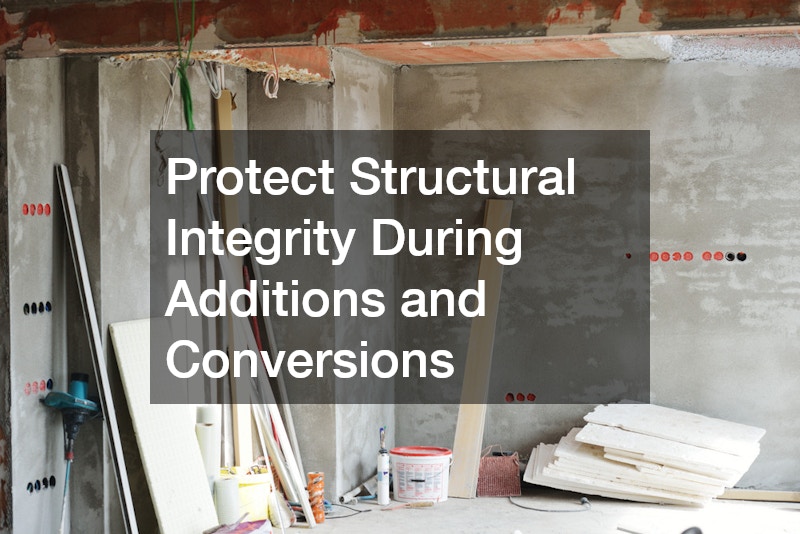
Structural risk often hides behind excitement. Removing a wall to create an open floor plan feels liberating—until sagging or cracking appears months later.
When altering load-bearing elements, temporary supports are critical. A qualified structural professional should calculate load transfers before demolition begins. Improvised solutions are one of the most common causes of post-renovation settling.
Basement projects require special care. When performing a basement window replacement, it’s not just about swapping glass. You’re altering a foundational opening. Improper flashing or support can introduce moisture or weaken the surrounding wall. Always verify:
- Proper lintel support
- Waterproof sealing
- Exterior grading adjustments
Mechanical systems also face risk during layout changes. Air ducts are often rerouted casually during framing, but careless repositioning can restrict airflow or create pressure imbalances throughout the home. Sealing penetrations properly and confirming airflow balance afterward helps avoid long-term inefficiencies.
In short, structural changes deserve structural thinking. Cosmetic upgrades are easy to redo. Foundation mistakes are not.
Plan for Sanitation and Site Safety
Construction sites are messy by nature. But an unmanaged mess leads to liability, property damage, and unnecessary wear on your home.
One surprisingly overlooked risk is bathroom use. Allowing crews to use household plumbing increases strain on systems and creates sanitation concerns. For larger projects, a porta potty rental is often the simplest way to prevent interior damage and awkward misunderstandings.
Placement matters. Units should sit on stable ground, away from landscaping and not directly against siding.
Plumbing lines also deserve attention. During demolition, debris can enter drains unnoticed. Scheduling a preventive sewer drain cleaner service before heavy work begins helps clear buildup and identify vulnerabilities. After demolition phases, monitor for slow drains or odors—early signs of stress in the system.
Safety measures don’t need to feel extreme, but they should be deliberate:
- Keep walkways clear of tools and materials.
- Install dust barriers between active and living areas.
- Confirm daily cleanup expectations with your contractor.
A clean site isn’t about perfection. It’s about preventing small injuries and expensive repairs.
Manage Moisture, Airflow, and Indoor Air Quality
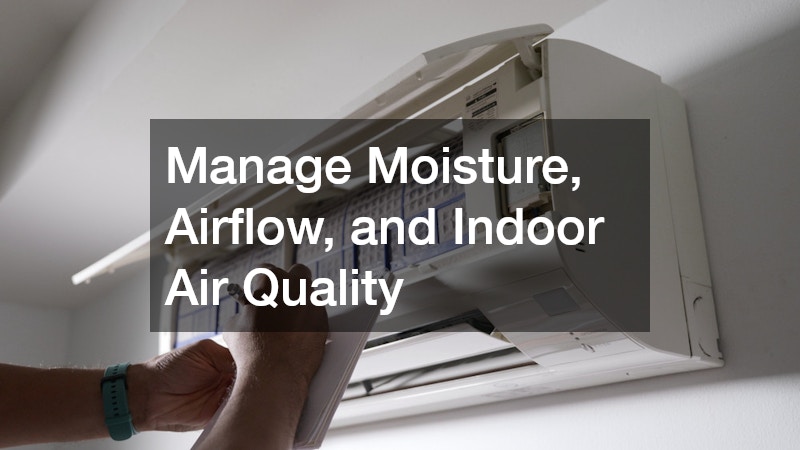
When walls are open, your home’s internal environment shifts dramatically. Dust travels. Humidity fluctuates. Insulation and ventilation pathways are disrupted.
During renovation, isolating work zones protects both air quality and finished areas. Temporary plastic barriers and negative air systems prevent fine particles from migrating into untouched rooms.
Before restarting systems after major changes, schedule a professional HVAC Service inspection. Construction debris can settle in mechanical components, reducing efficiency and shortening lifespan. This is also the ideal time to inspect and clean air ducts. Dust accumulation doesn’t just affect air quality—it can influence heating and cooling performance long after the remodel ends.
Humidity management is equally important. Open framing exposed to seasonal weather can absorb moisture quickly. Portable dehumidifiers during damp months prevent mold growth and protect insulation.
Homeowners often underestimate how much renovation alters airflow. After layout changes, have the system rebalanced to ensure even distribution. Uneven temperatures aren’t just uncomfortable—they signal inefficiencies that increase long-term utility costs.
Reduce Exterior Exposure During Remodeling
Exterior projects introduce weather risk immediately. A roof removal or siding replacement temporarily strips away your home’s protective shell.
Timing matters. Work with your roofing contractor to schedule tear-offs during stable weather windows whenever possible. While forecasts aren’t perfect, strategic planning reduces the chance of sudden exposure during heavy rain.
Daily end-of-day protection protocols are essential. Ask how your contractor secures vulnerable areas overnight. Tarping should be tight, anchored, and inspected regularly.
Yard protection is often an afterthought. Heavy equipment compacts soil, damages grading, and disrupts drainage patterns. Consulting a landscaper before excavation begins can help map out protection strategies. After construction, reassess grading to ensure water flows away from the foundation.
Short-term exposure becomes long-term damage if drainage patterns shift unnoticed. Protecting the exterior envelope is one of the most effective ways to avoid structural and moisture-related complications.
Upgrade Materials Without Creating New Risks

High-end finishes elevate a space—but they also introduce new considerations.
Take marble countertops, for example. Marble is beautiful but heavy. Cabinetry must be reinforced properly to support the load, especially in older homes. Subfloor conditions should also be evaluated before installation in kitchens or bathrooms above living spaces.
Improper support can lead to cracking—not just in the stone, but in surrounding finishes.
Similarly, when performing another basement window replacement during aesthetic upgrades, flashing and insulation details must align with the rest of the envelope. A small misalignment can create condensation issues that develop slowly over time.
Specialty materials deserve specialty installers. Verify experience with the exact products you’re using. Warranty protections often depend on certified installation.
Upgrades should enhance durability, not compromise it.
Build Contingency Budgets for Hidden Infrastructure Issues
Even with meticulous planning, surprises happen. Behind walls, you may discover aging pipes, outdated wiring, or prior DIY repairs that weren’t done to code.
Instead of reacting emotionally when problems appear, prepare financially. A contingency budget of 10-20% reduces panic-driven decisions.
When something unexpected is uncovered, pause and assess it in stages:
- Determine severity
- Is it cosmetic, functional, or structural?
- Does it pose immediate safety concerns?
- Will ignoring it create compounding damage?
- Gather professional input
- Request written estimates.
- Ask whether repair or full replacement is wiser long term.
- Clarify timeline impacts.
For example, if demolition reveals corroded drain lines, scheduling a sewer drain cleaner service might solve minor buildup—but in severe cases, replacement may be necessary. Having reserve funds allows you to address issues properly rather than temporarily patching them.
Unexpected leaks are another common discovery. In worst-case scenarios, you may need assistance from a local water damage restoration provider if hidden moisture is uncovered during tear-out.
It also helps to separate surprises into two categories:
- Necessary corrections (code violations, safety hazards)
- Opportunity upgrades (improving insulation, modernizing wiring)
The goal isn’t to assume disaster. It’s to accept that renovation reveals what time has concealed.
Financial flexibility equals strategic decision-making.
Communicate Clearly to Prevent Liability and Delays

Communication failures cause more renovation stress than structural surprises.
Document everything. Take daily photos. Save change orders. Keep written summaries of discussions about budget adjustments or timeline shifts.
If coverage questions arise related to your home insurance plan, having clear records simplifies claims or clarifications.
Establish clear site expectations from the beginning. For instance, if you’ve arranged a porta potty rental, confirm that crews understand bathroom use policies. Define smoking areas, parking rules, and material storage zones.
Weekly check-ins—brief but consistent—keep everyone aligned. Ask:
- Are we on schedule?
- Have any risks emerged?
- Are inspections confirmed?
Small miscommunications compound quickly. Regular dialogue prevents escalation.
Conduct a Post-Renovation Risk Audit Before Final Payment
When the dust settles and finishes are installed, it’s tempting to rush to the final walkthrough. Resist that urge.
A careful inspection protects your long-term investment.
Schedule a final HVAC Service check to confirm systems operate efficiently after layout changes. Verify thermostat calibration and airflow balance. Small mechanical adjustments now prevent inflated energy bills later.
Walk the exterior with a landscaper to confirm proper grading and drainage. Ensure soil slopes away from the foundation and that disturbed areas have been stabilized.
Test windows and doors for drafts. Inspect ceilings and walls for hairline cracks that could indicate settling. Run water in sinks and tubs to confirm smooth drainage.
To make the process more systematic, break your walkthrough into clear phases:
- Mechanical review
- Turn the system on and off several times.
- Listen for unusual cycling or rattling.
- Confirm vents are delivering consistent airflow in each room.
- Envelope and structure check
- Examine trim lines for separation.
- Look at exterior flashing and sealants.
- Check attic or basement areas for new moisture stains.
- Plumbing and fixtures
- Run multiple fixtures simultaneously.
- Check under sinks for slow drips.
- Flush toilets and observe refill timing.
Before releasing the final payment, confirm all permits are closed and inspections passed. Request copies of warranties and lien waivers, and keep them organized with your project documents.
This last phase is not about distrust—it’s about due diligence. Renovation risk doesn’t end when construction does. A thorough post-project audit ensures your home is as sound behind the walls as it appears on the surface.
Moving Forward With Confidence

Large-scale home improvements will always involve disruption. But disruption doesn’t have to mean chaos.
When you approach renovation as a risk management process—not just a design project—you protect more than your home’s appearance. You safeguard its structure, efficiency, and long-term value.
The difference between a stressful remodel and a successful one often comes down to preparation, communication, and proactive inspection. By planning carefully, documenting thoroughly, and engaging the right professionals at the right time, you turn uncertainty into informed decision-making.
Your home is one of your most significant investments. Treating renovation with strategic caution ensures that when the final coat of paint dries, and the tools are packed away, what remains isn’t hidden problems—but lasting improvements you can enjoy with confidence.